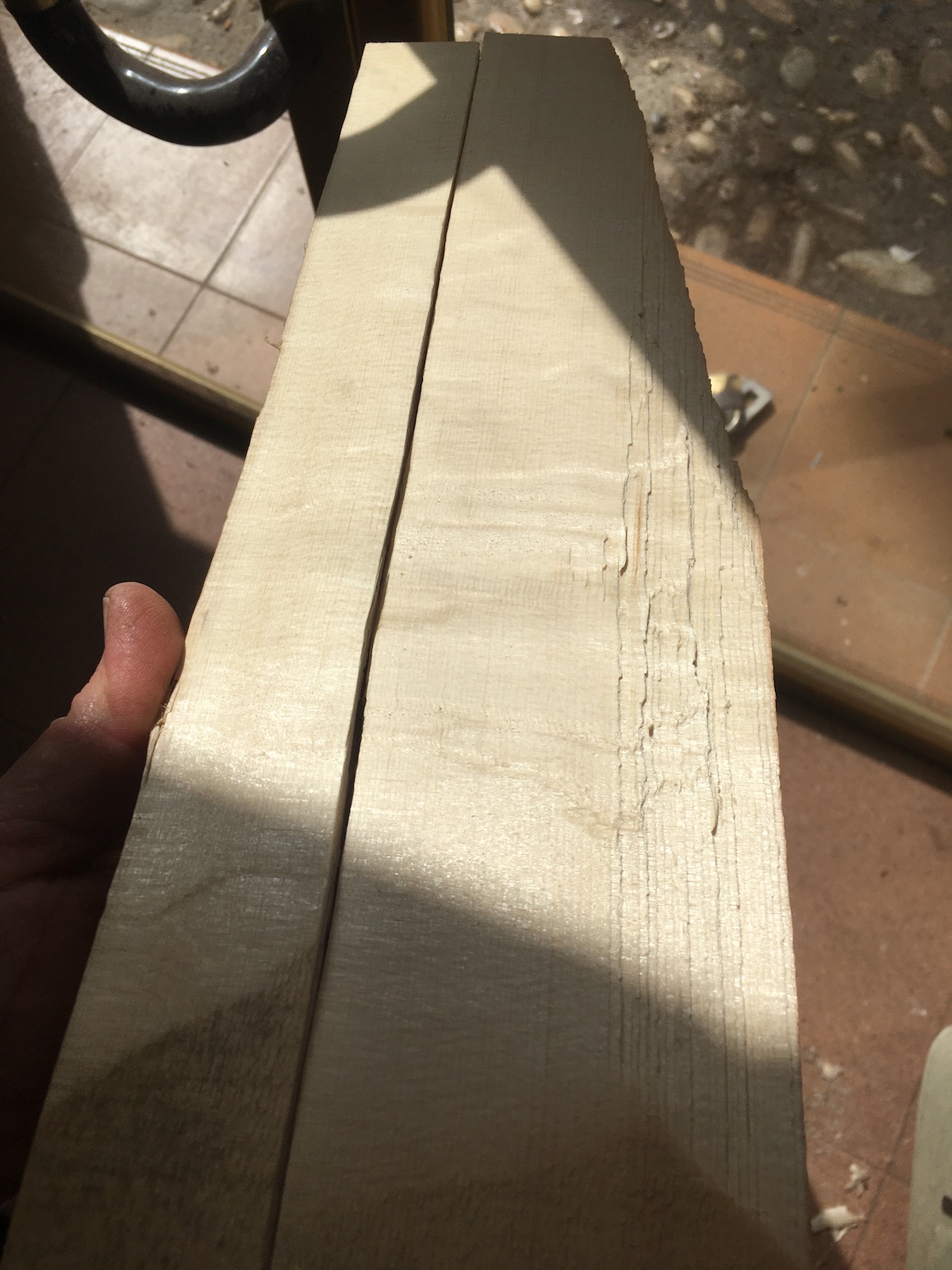
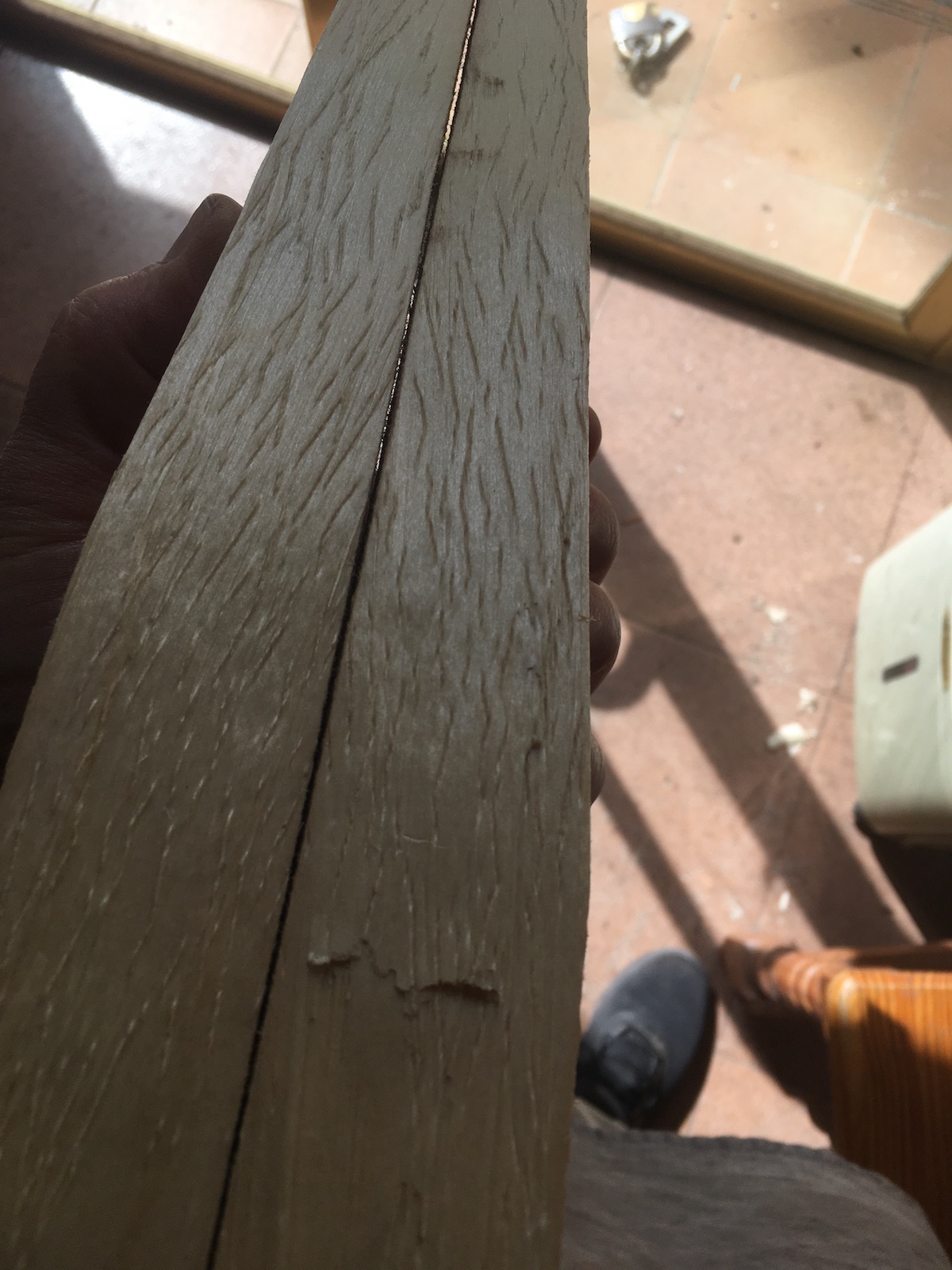
I usually write here with the guitarist or guitar-maker in mind or at the very least someone with in interest in woodworking. However, the other day I was explaining the concepts of “quarter-sawn” and “split billets” to a layman and there were a lot of things that I took for granted. I am going to try to explain those concepts here. First let me clarify a few definitions. When I want to use a piece of spruce I look at the fibre of the wood and the tree rings. There are many other considerations but in terms of structure that is it. The fibre or grain is what runs along the length of a tree and very often along the length of a piece of wood. A splinter in your finger is a short length of fibre. If you work along the grain (or against the grain) that is the dimension I am talking about. Tree rings are the lines that you see on the end grain of a board; circular but on a piece from a larger tree the sections of a circle can look straight. When I use spruce for tops or bracing and cedar for necks and braces I usually want wood that is cut perfectly along the fibre in the length and I want the tree rings to be sitting perpendicular to the plane of the neck or the plane of the top. In the photos of the bookshelf below you can see circular tree rings on one board and perpendicular tree rings on the other.
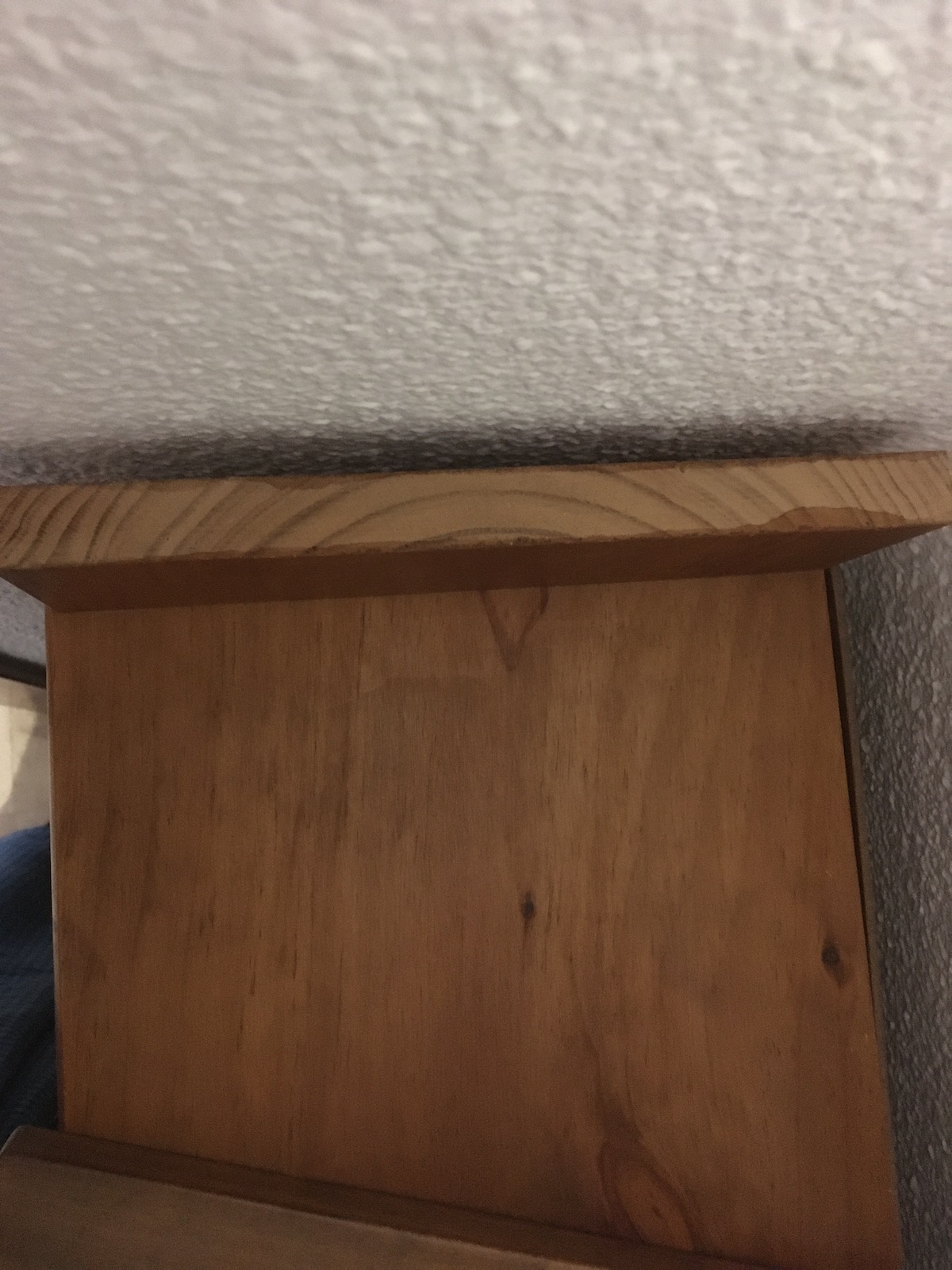
bookshelf1

bookshelf2
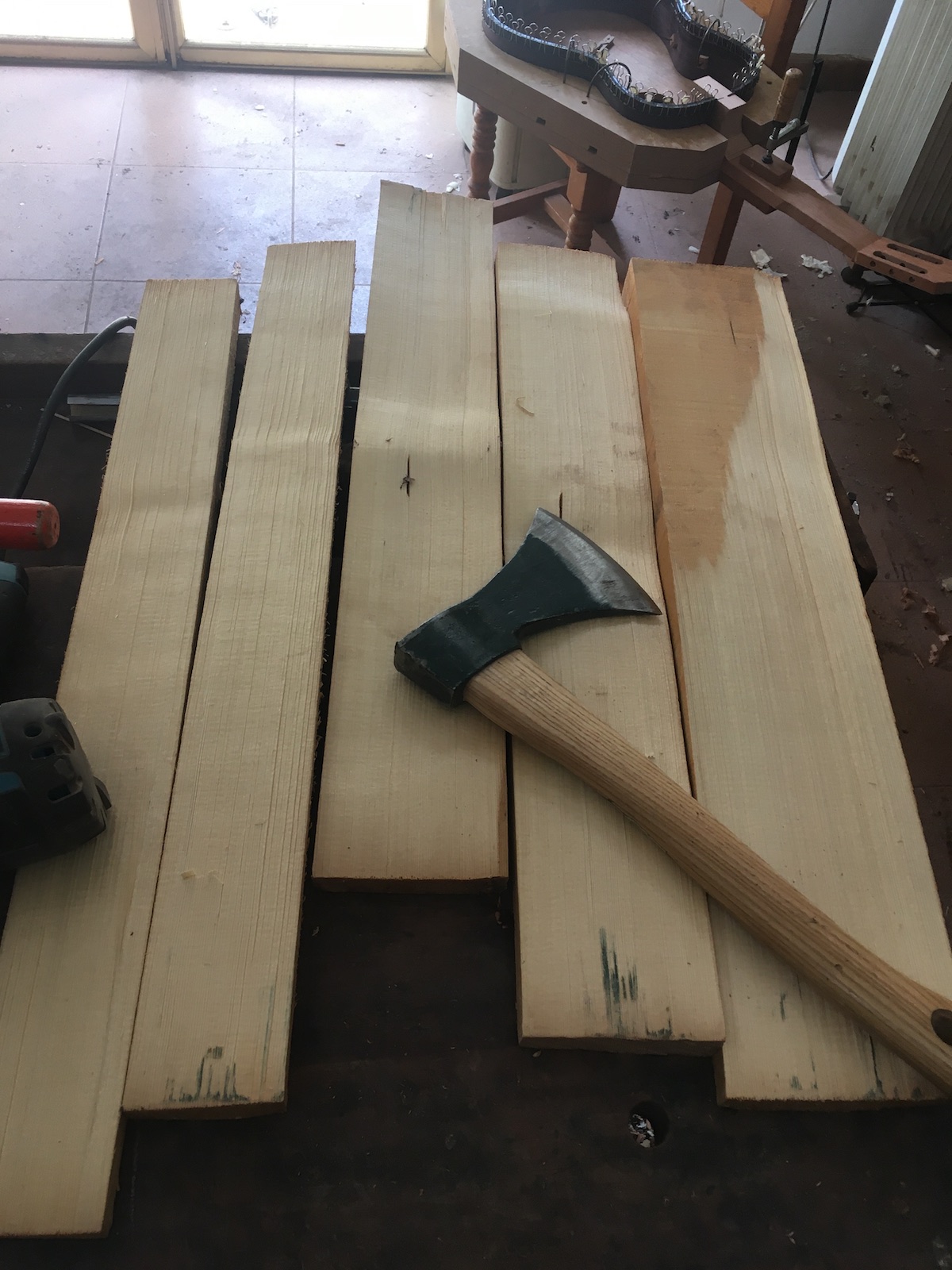
The question is how do I get wood which is cut along the grain and has the tree rings in the configuration I am looking for? The only way to cut your wood along the grain is to split it and then use that surface as a reference. You have to correct it a bit because it will neither be flat nor smooth. As for perpendicular tree rings it is just a question of cutting the wood so that the width of the board ends up being a radius of the circular section of the tree. 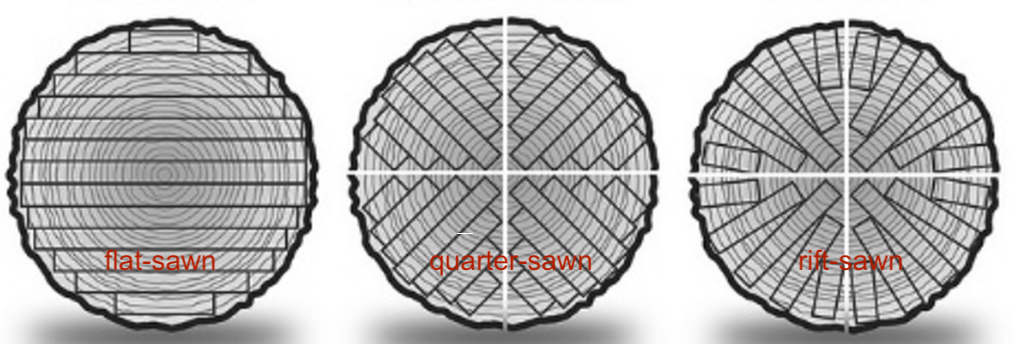 The way to do that is to rift-saw your tree. If you quarter-saw a tree you will end up with some boards that are a perfect radius and the rest will be close. This is why many folks refer to perpendicular tree rings in wood as quarter-sawn wood even though this is “incorrect”. Rift-sawn actually gets misused as well probably because quarter-sawn is taking its place. The problem is that the words refer to the process but we want to talk about the result so we use the best word we have. Flat-sawn gives you wood like you see in the bookshelf photos above, some good, some not so good but there is no waste. Most applications that use wood will use wood with any ring orientation, not so for instrument-making. A quarter-sawn top is stiffer across the grain and so can be worked thinner and lighter which is desirable for sound production. Quarter-sawn wood will also react less to humidity changes and so will lose less volume over the years across the width (less likely to crack) and will warp less. Wood cut along the fibre of the tree is stronger and stiffer along the grain and theoretically will transmit sound better. It is also easier to carve when you scallop the braces or carve the shape of the neck. We are always looking for maximum responsiveness, maximum strength and minimum mass. (This is a massive generalization but useful here.)
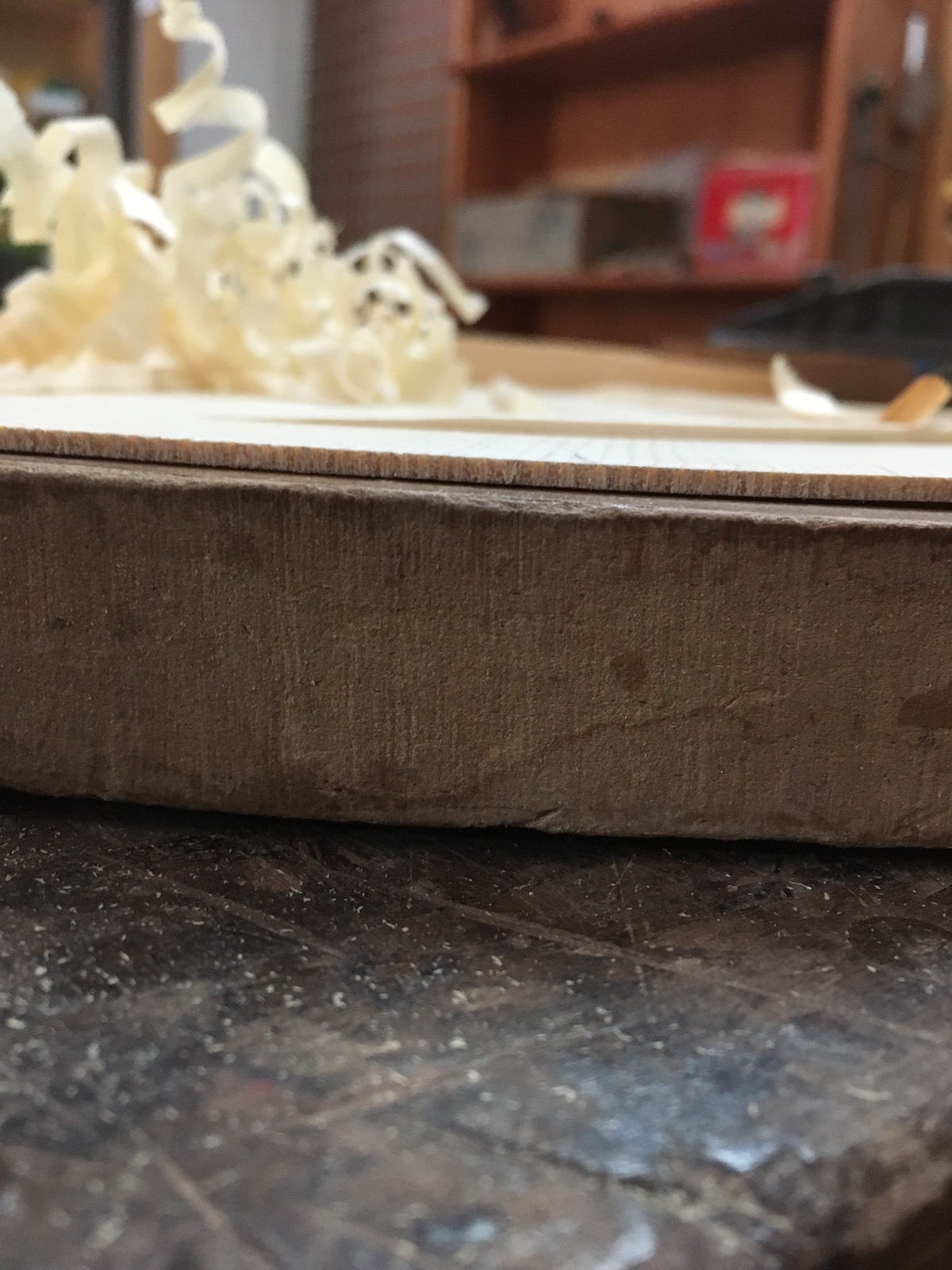
guitar top
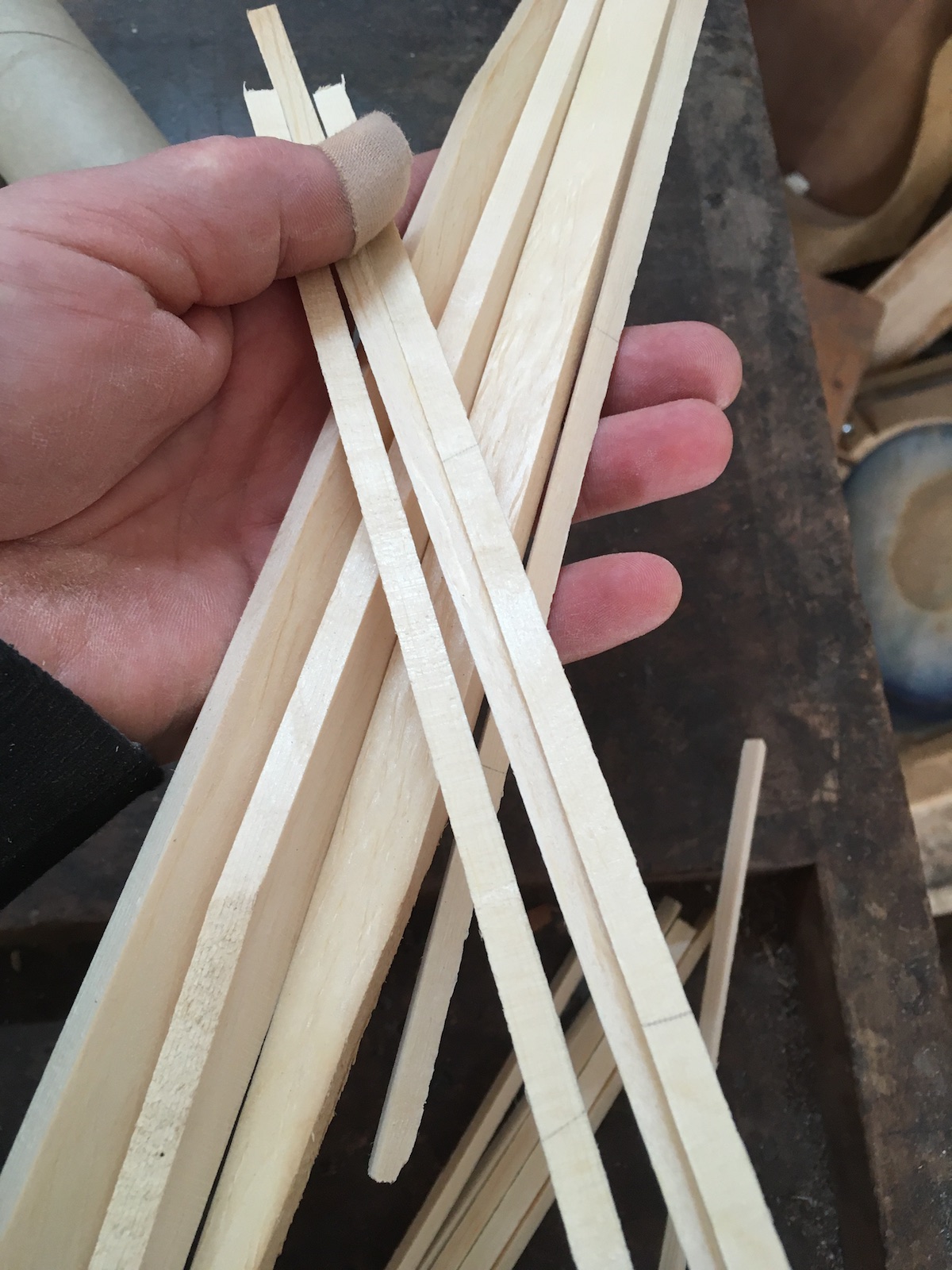
Above is a photo of a guitar top’s edge which shows the tree rings perpendicular to the width of the top so they are vertical to the plane of the top. I am including a video which shows a board which I split in order to see how the fibre runs and there you can see the tree rings portraying how I will have to modify the cut to get “quarter-sawn” braces out of it. In the photo below of the thicker brace you can see the final result that I am going for in cutting braces. I want the rings to be tall and parallel to the height while for a top I want the same “vertical” orientation and parallel to the wide dimension.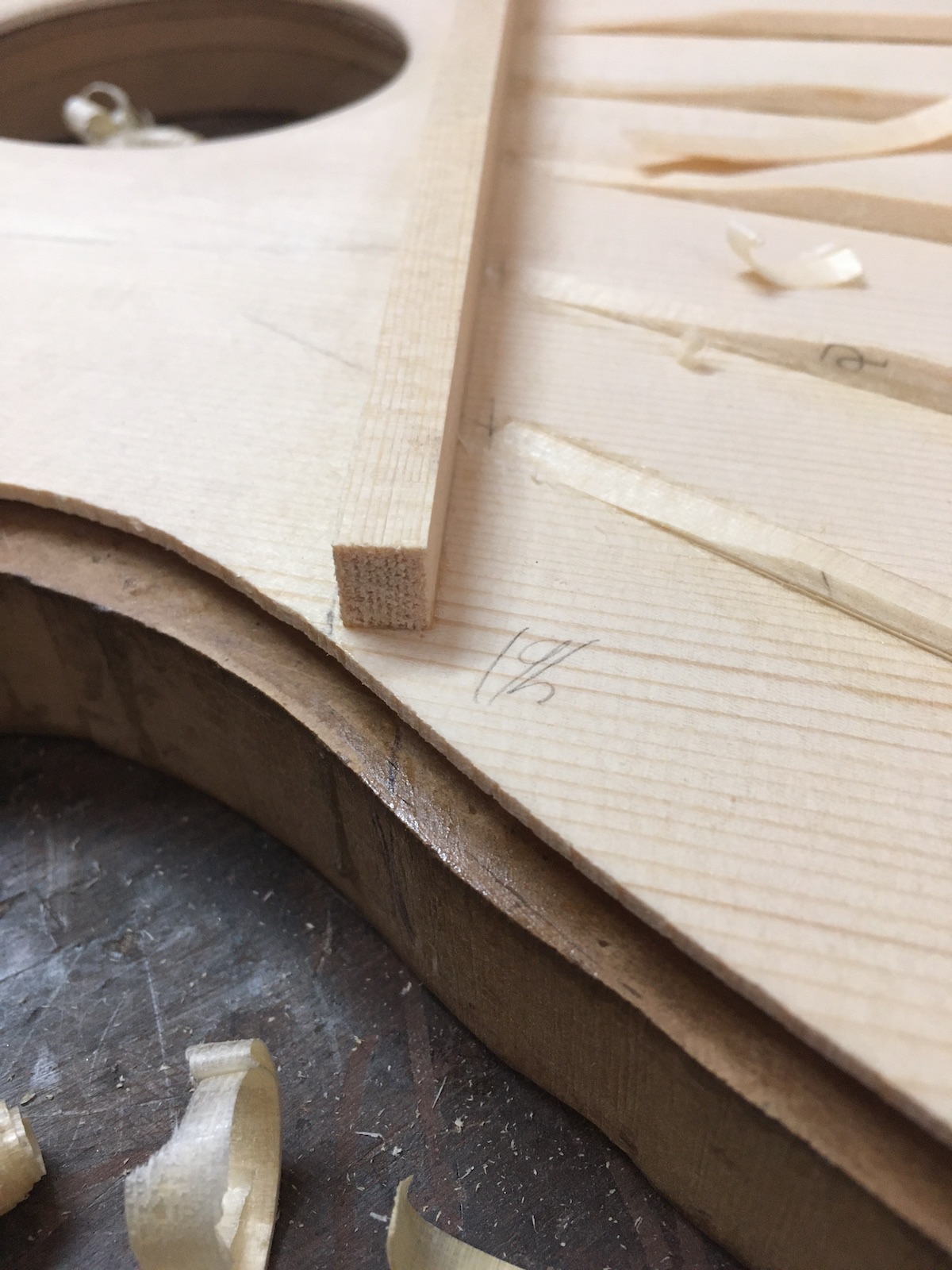
In conclusion, if you can split your own wood and examine the rings you will always have perfectly cut wood. If you are examining the wood on a completed instrument there are indications that a top has perpendicular tree rings (the appearance medullar rays) and that a top was cut following the split line (the reflections on a bookmatched top). You can use these tricks when choosing tonewood which is almost always sold with cut, not split surfaces.