
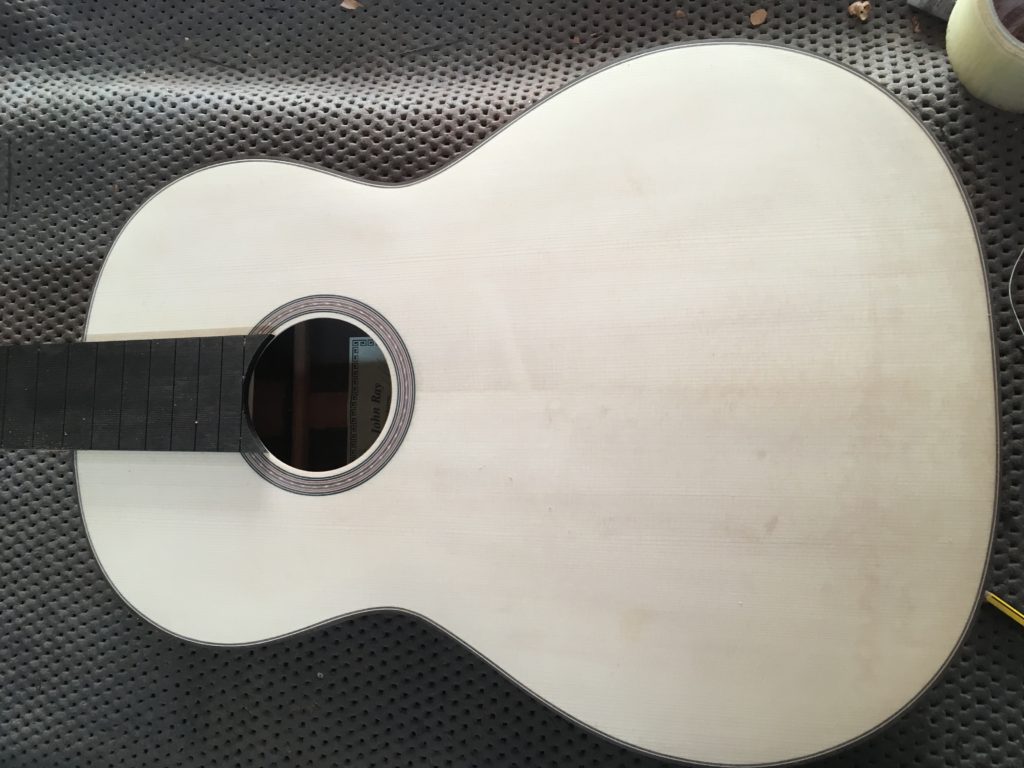
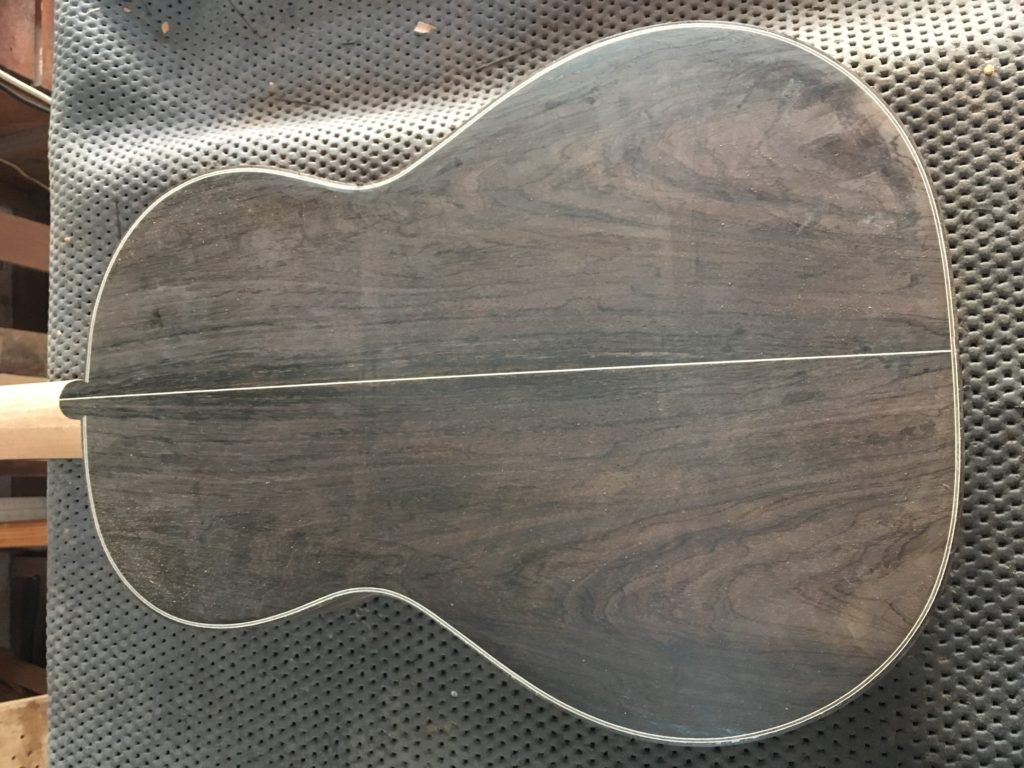
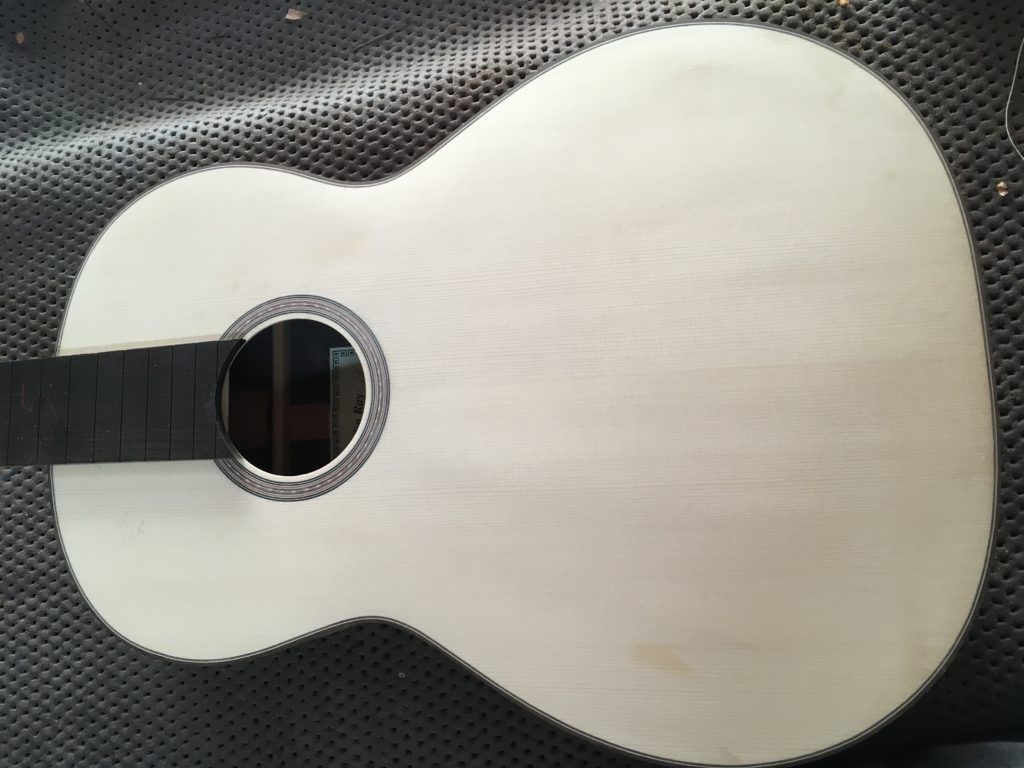
The two copies of Torres’ Invencible will soon be completed and ready for the varnishing process. You always get a feeling of how a guitar will sound from tapping on the top and back, feeling the weight and balance and from the flexibility of the top. These ones are giving me a great impression so I am very excited.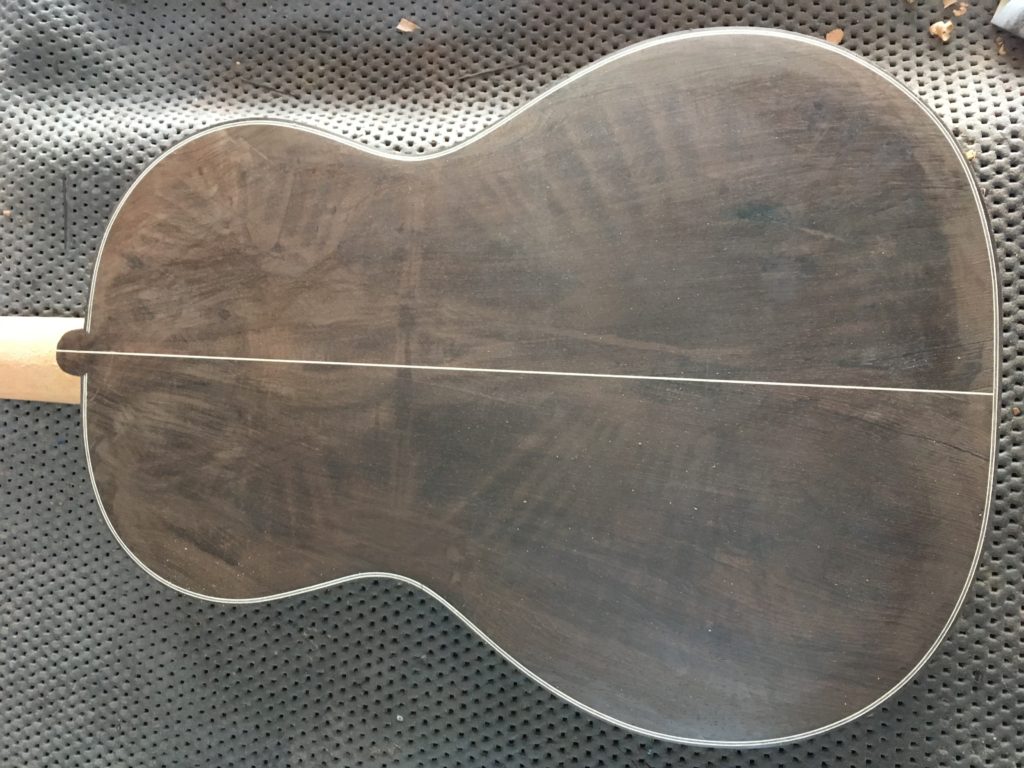
Author Archives: johnray
Non-tropical woods
Between the Leonardo Project and general worries about CITES, non-tropical woods are becoming more popular among guitar-makers. The next step is convincing the buyers that these guitar are just as good. Keep in mind that what makes the sound of a guitar is the maker’s skill and the way he chooses to work and that the only make or break component of the guitar is the top which is non-tropical anyway. What convinces me most about using non-tropical woods is the fact that period instrument makers have been doing it for centuries. Pear, cherry, oak, boxwood, walnut, maple and a hundred other nice hard and beautiful woods are used for great-sounding instruments.
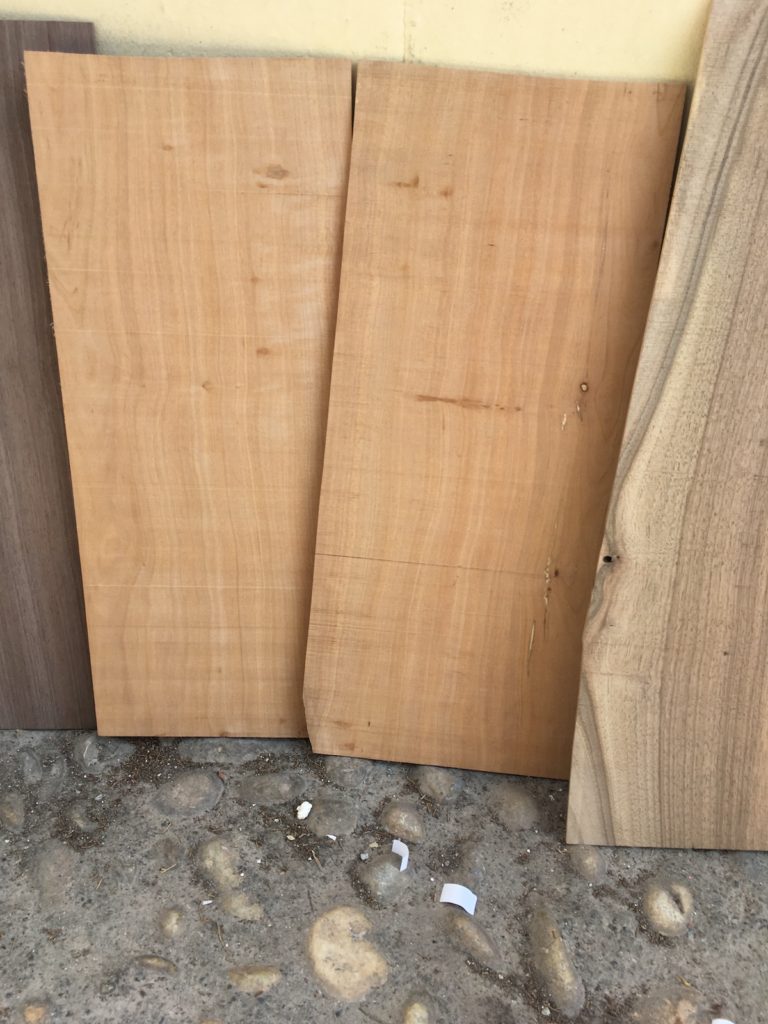
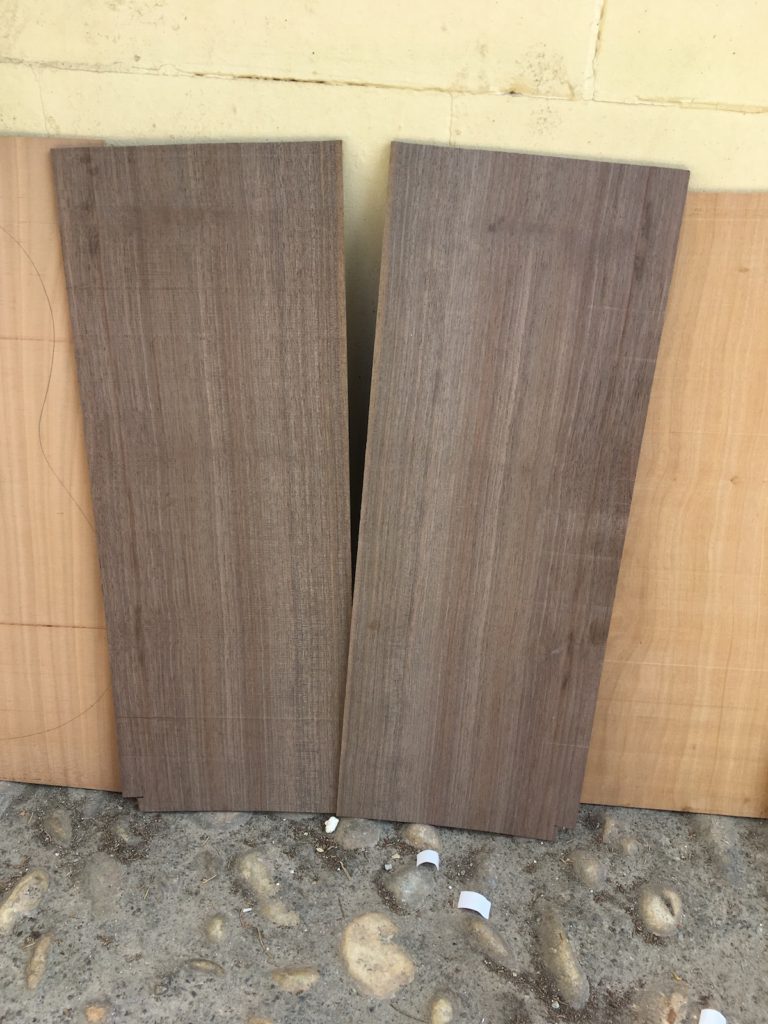
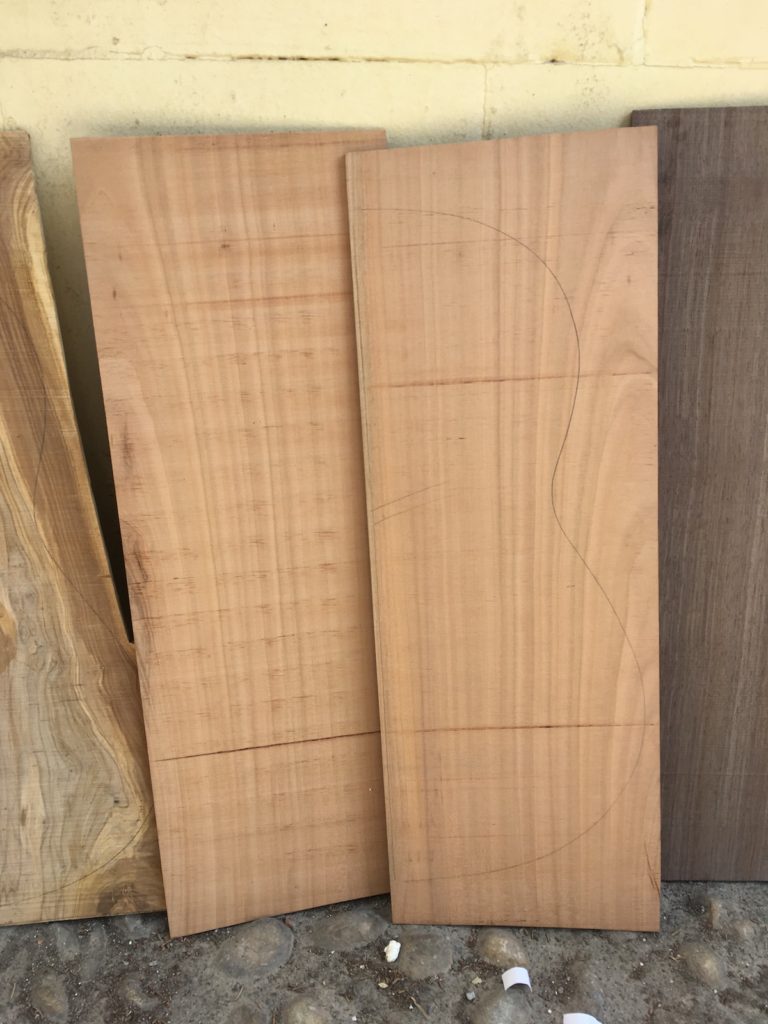
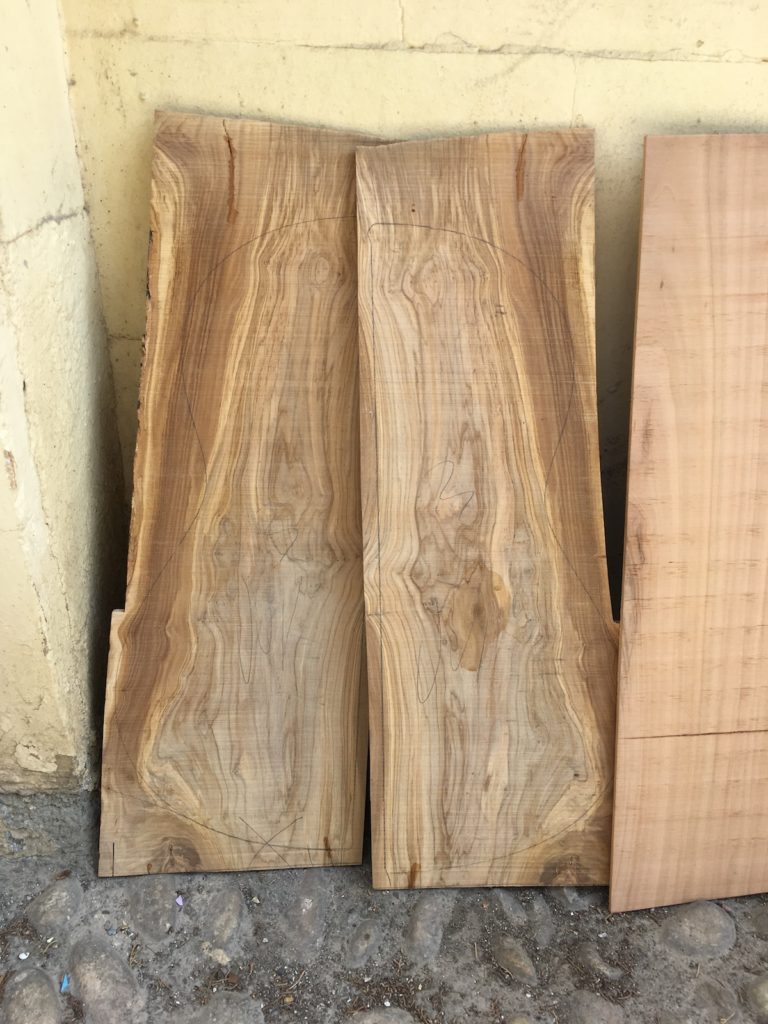
I stocked up on plentiful cypress, maple and Indian rosewood many years ago and of course have the CITES papers for the rosewood but I think more people might be asking for something different. Here are my latest aquisitions: Thanks to guitar-maker Youri Soroka for the european walnut, the alder, the american walnut and the cherry. The very figured piece is olive wood from Spain cut by an amateur maker here.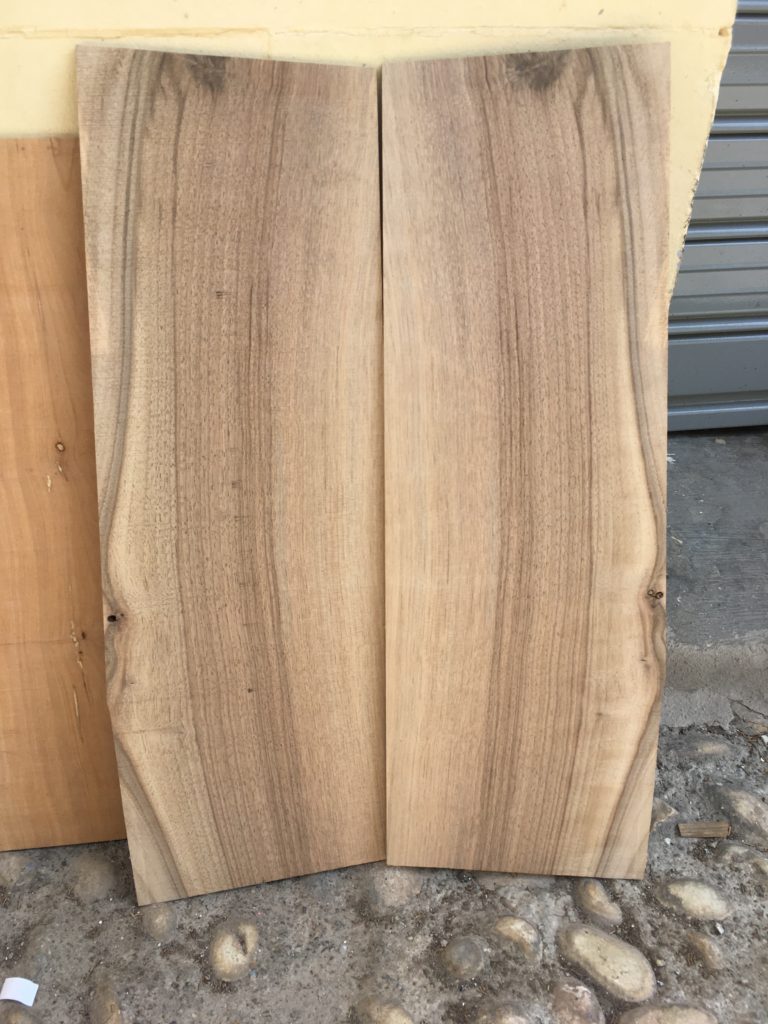
Now Sold: Manuel de la Chica
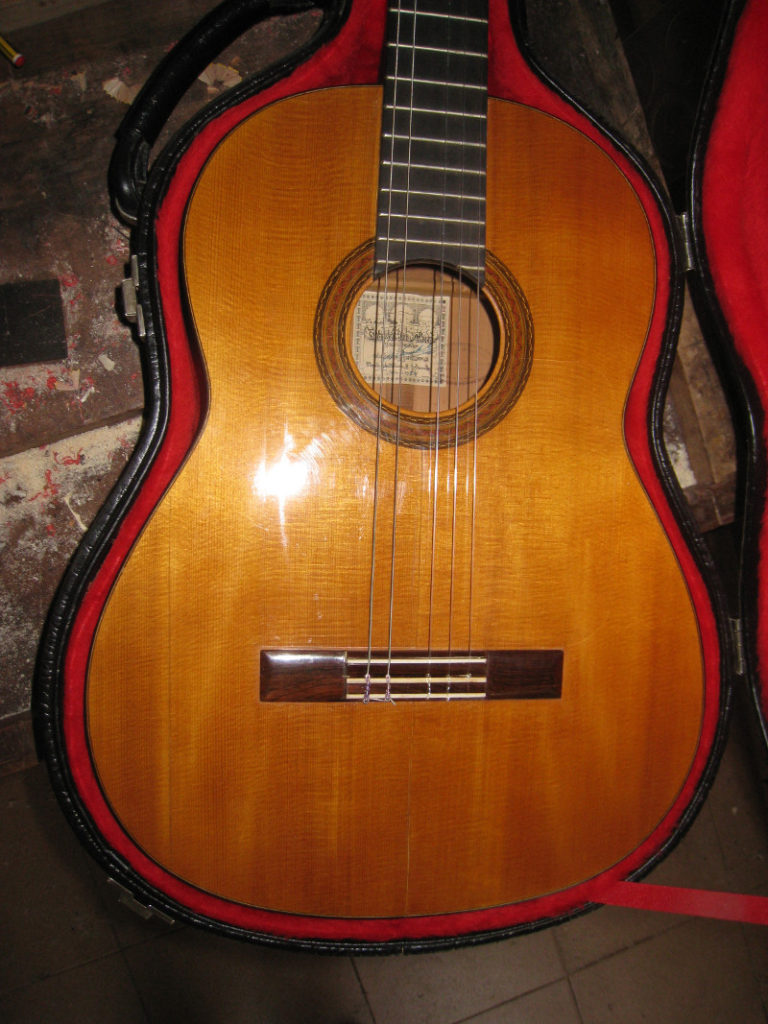
This guitar, which is no longer for sale, belonged to an aficionado who really knew his guitars and had two Santos and a number of other great guitars. This family was host to Alirio Díaz, Regino Sainz de la Maza and other great guitarists when they were in Granada. These are the evenings of music that sparked the interest of a young Antonio Marín Montero. It is not surprising that this guitar was chosen among many as it is a great one.
Manuel de la Chica is often touted as the best maker that Granada has ever produced and while I don’t necessarily agree with that I do place him very high on the list. It should be stated, however, that some part of his later production was made up of guitars made by Antonio Marín and Manuel Bellido which de la Chica sold under his own label (according to Marín and Bellido). He may also have done that with Germán Pérez Barranco and Francisco Manuel Díaz as they were disciples of his. De la Chica was to a large degree self-taught but claims to have examined the guitars of Santos Hernández and based his early work on those instruments. Richard Bruné’s observations that de la Chica’s guitars were often given false labels so that they could be sold as Santos guitars lends support to this. I have seen a number of guitars by both makers and the similarities are striking. Those makers here in Granada who remember de la Chica hold him up as standard of organization, craftsmanship and inventiveness; the hallmarks of the artisan. For a bit more on the man who made this guitar see this newspaper article from 1947.This guitar was expertly restored by Manuel Bellido some years ago to deal with two cracks in the top and one in the back. The geometry of the guitar is healthy and I think will continue to be a very playable instrument for many years.
Summer Arts Student Concert
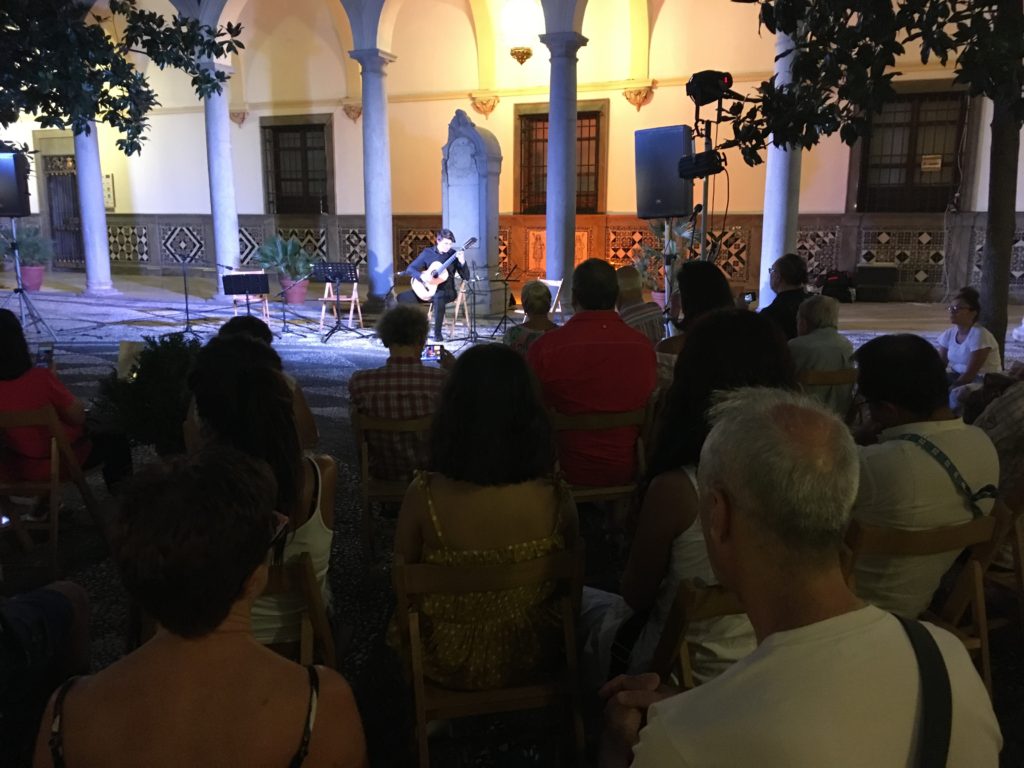 I have been writing about the guitar-making competition and wasn’t able to say much about the student concert that closed CSU’s Summer Arts programme in Granada this year. This is the second year that La Guitarra Española has been held in Granada and on wednesday evening we were told that it will be held here next year again. The students spend 3 weeks studying in Granada with great guitarists in a masterclass setting. Over the past two years we have seen the likes of Scott Tennant, Pepe Romero, William Kanengiser, John Deaman, Matthew Grief, Vicente Coves, David Martinez, Magarita Escarpa, Rafael Aguirre, Kai Narezo and the director of the course Dr. Scott Morris.
The concert on August 8 was very well played, eclectic and enjoyed by the varied public present in the town hall courtyard. Bach, Spanish composers, brazilian music and contemporary composers like Brouwer were all represented. There were even two flamenco pieces which all of the students played together. My favorites always seem to be the quartets as they are impeccably played and often much more interesting musically. Believe it or not even a guitar-maker can get tired of solo guitar after seeing so many guitar concerts in such a short time during the Festival which runs parallel to the Summer Arts course.
Francisco Muñoz Alba
Making great guitars is a question of having great teachers, good wood, and a bit of luck but mostly a true passion for your work and tons of practice making guitars. Francisco Muñoz has been making guitars for many years in Granada and I have watched his progression since I met him well over 10 years ago. His hard work is paying off now that he won first prize in the II International Guitar-making Competition “Antonio Marin Montero“. The prize consists of having Guitar Salon International and Jitamen (China) each order and purchase two of his guitars.
I had to catch a plane on the second day of the competition but was able to take in the first day of sound testing and deliberations and was pleased and very impressed by the time, effort and dedication of the jury members in examining the guitars. After hearing the verdict I am convinced that everyone can see the impartiality of the jury. Once again Vicente Coves (director of the festival) has filled the city with guitar-makers, guitarists, and guitar buyers and is bringing more of the general public to the guitar.