Guitar collection for sale

I was recently contacted by Esteban Egaña Silva who has a very interesting guitar collection which he wishes to sell.  As he mentions on his blog the popularization of the guitar in Chile is due to Spanish immigrants over the years.  You can find an entry about how the guitar “arrived” in Chile and another detailing some of the guitars he has for sale here.  
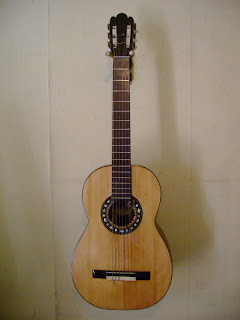
 

He tells me that there are more guitars than those that appear in the blog. My contact with him was through facebook but I imagine that you can send him a message from his blog.
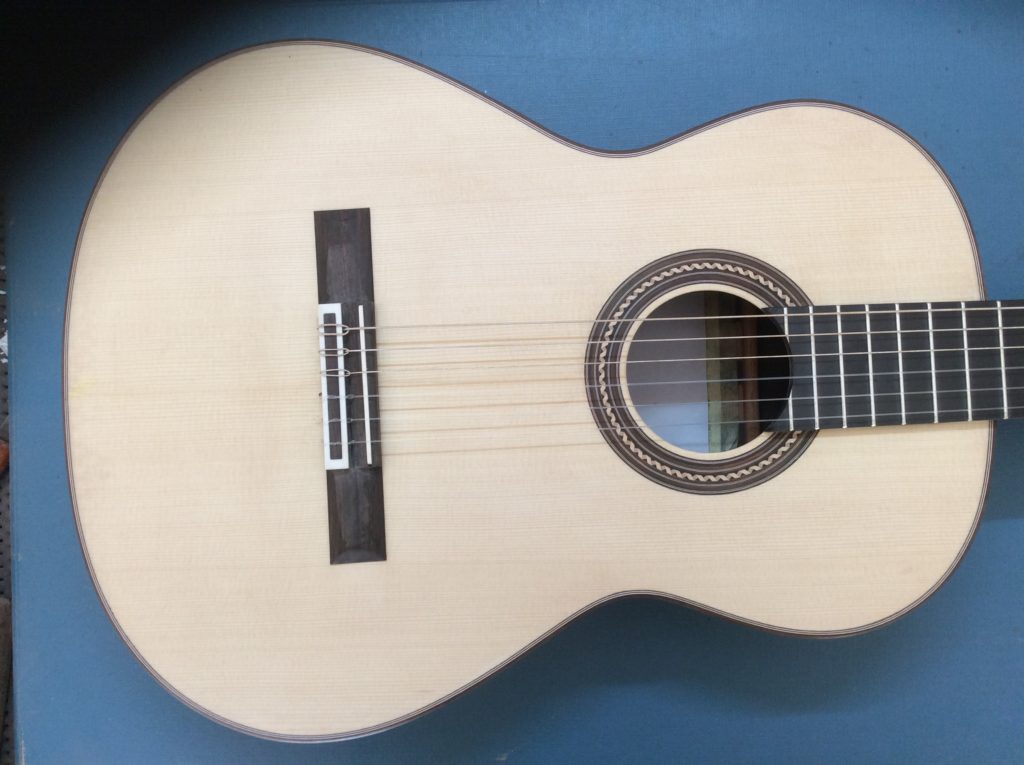
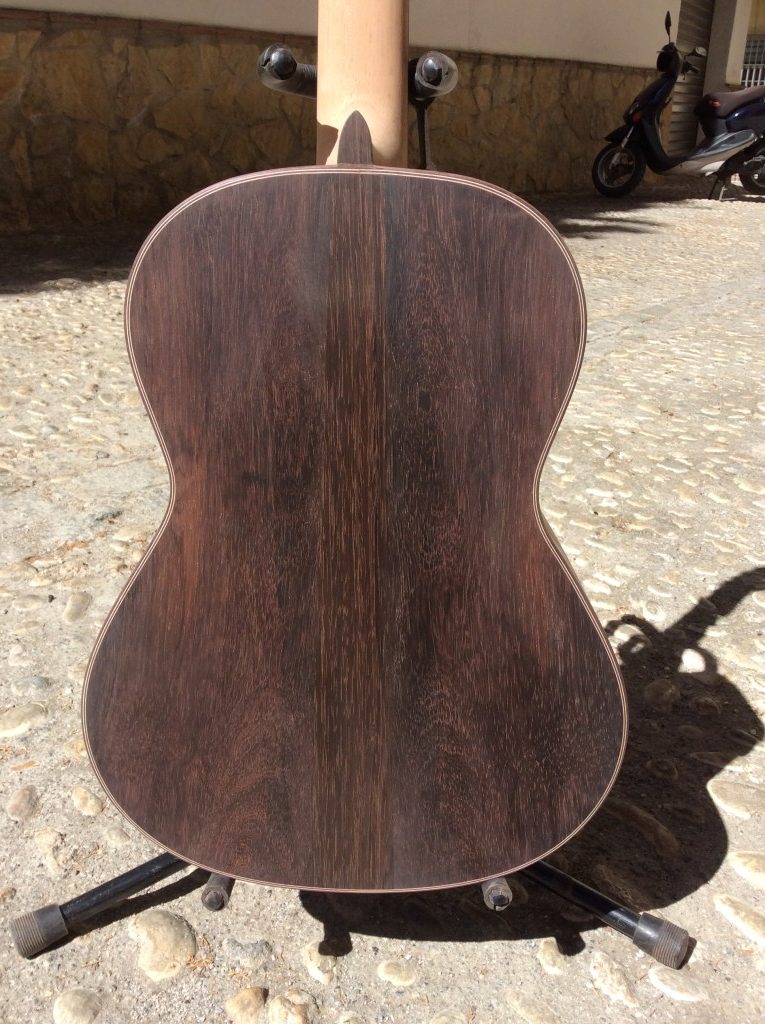
630 mm Scale Length

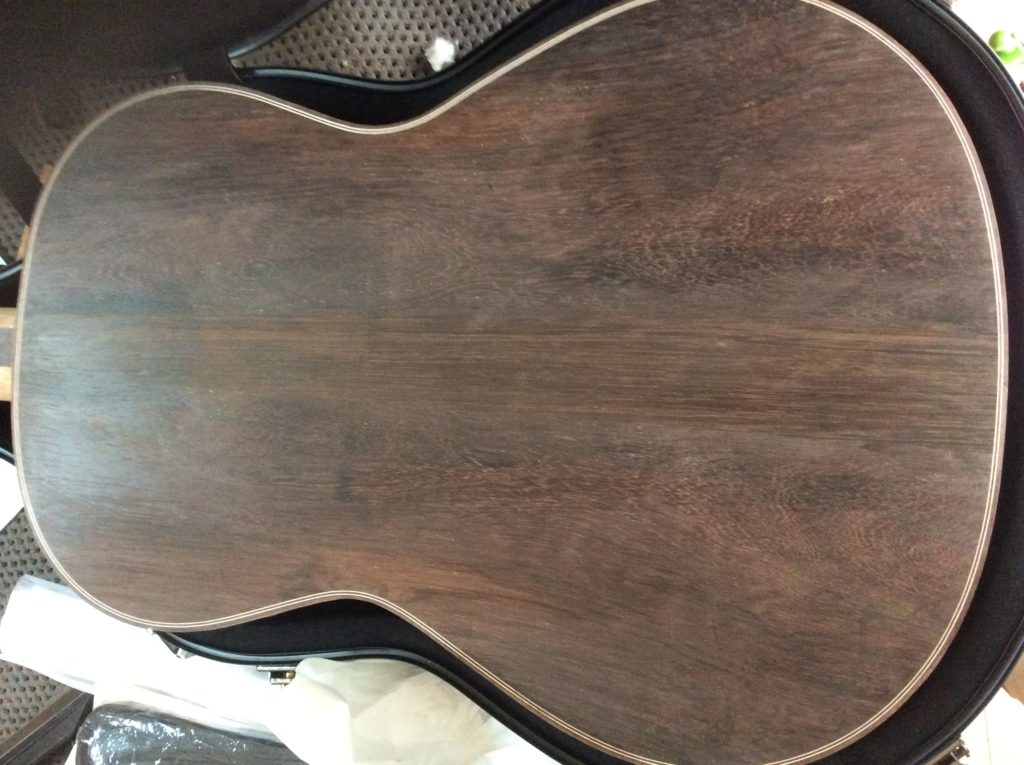
The most common scale length for a classical these days is 650 mm or close to that.  640 has become more popular too as longer scales fall into disfavour.  Every now and then I get an enquiry about something even shorter and although I didn’t get an order I thought I would go ahead and make one to have on hand.  I gave this one a 630 scale and used a smaller body size and I am very happy with the result.  Of course the reduced tension is very nice for the left hand and the sound is very sweet.  file-19-09-16-9-22-44-pmThis picture shows the step in which I make the saddle and nut and string the guitar up to test the sound before varnishing starts.  There is a final sanding to come at 340 grit after I take the strings off.  The next picture shows the three-piece back which allowed me to use a particularly rich-coloured set of rosewood.

Double back

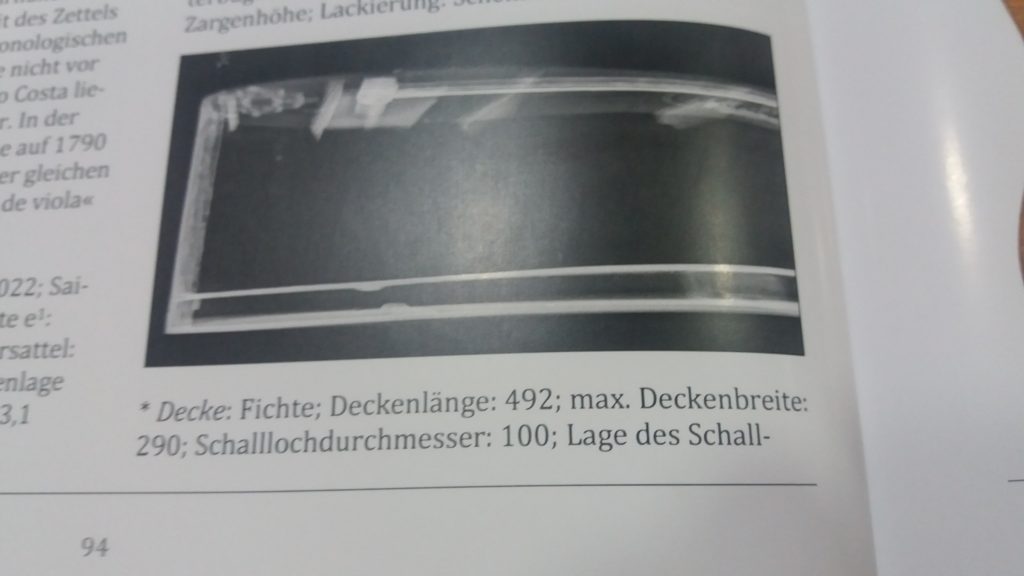
20160822_184546I was fascinated a few years ago by a guitar made by Vicente Arias 1900 because of the quality of the work as well as the fact that it had a double back.  This demonstrated once again how today’s “innovations” in guitar-building are very often not innovations at all.  Now my colleague Aarón García has brought another example to my attention of a double back but this one from the 18th century.  Here is what he says to me:

This is very interesting for a few reasons, for example the absolute indifference of the Spanish researchers about Portugese chordophones…   Another curiosity is that this instrument has a graft under the top in the position of the bridge. The string length includes compensation by gluing the bridge on further back.  So many innovations in one instrument!

Here is the reference:

MICHEL, Andreas; NEUMANN, Philipp, Gitarren. 17. bis 19. Jahrhundert. Musikintrumenten-Museum der Universität Leipzig. (Catálogo). Leipzig: Musikintrumenten-Museum der Universität Leipzig, 2015, p. 94-98.

Benilloba Summer Guitar Course 2016

I am reproducing the content of a pamphlet advertising this guitar course in Spain. For further information please contact:

 Fernando Espí

www.fernandoespi.com

info@fernandoespi.com

635957282


24, 25 y 26 de Agosto de 2016.
• El curso está dirigido a estudiantes de grado elemental, medio y
superior.
• El horario será de 9.30 a 13:45 de la mañana y de 16:30 a 19:45
de la tarde.
• Matrícula alumno activo: 50€/55 minutos de clase; 90€ 2 clases
de 55 minutos.
• Matrícula alumno oyente: 35€, acceso a todas las clases.
• El pago de la matrícula se hará en efectivo al inicio del curso.
• Es obligatorio previa reserva llamando al teléfono 635957282
(Fernando)
• El último día de curso se realizará una audición con los alumnos
activos y se efectuará la entrega de diplomas.
• Los alumnos tendrán un pase gratuito para la Piscina Municipal
durante todo el curso


I Love Wood

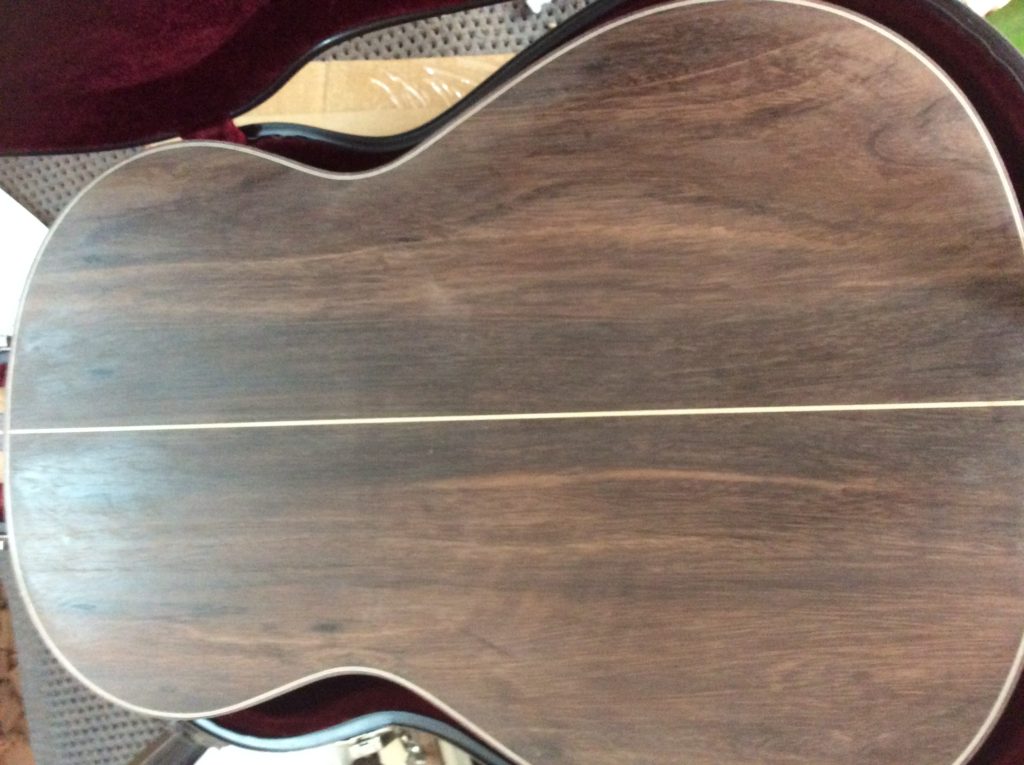
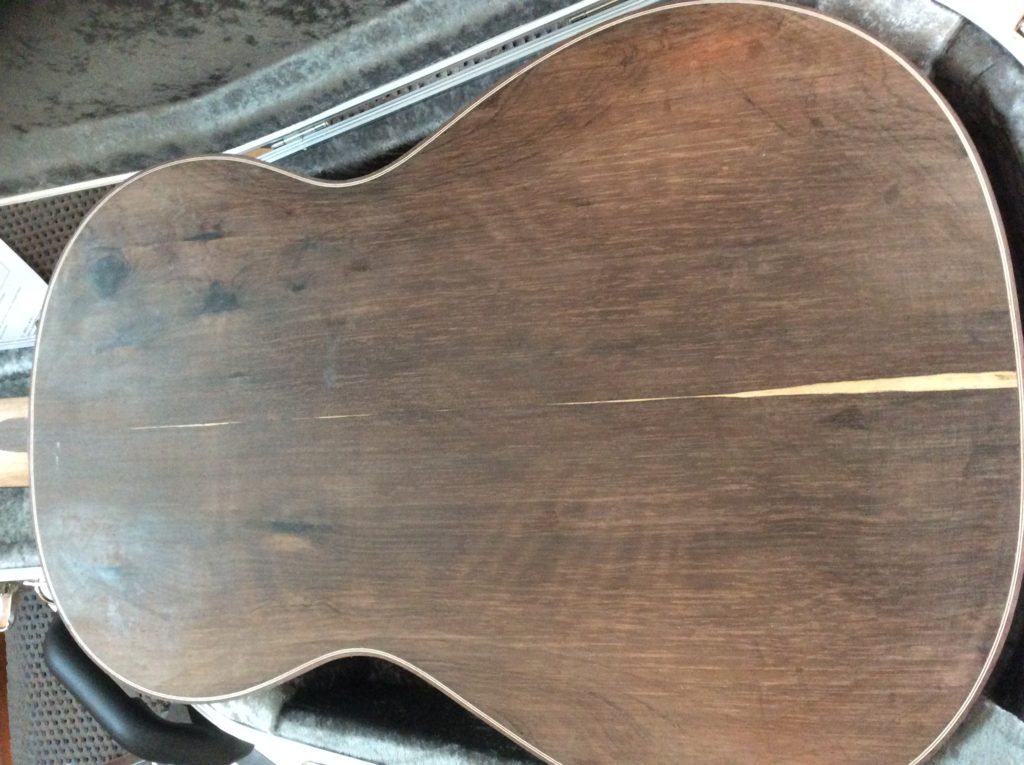
I took pictures of all four guitars that I am making but one didn’t turn out so here are the backs of three of them.  Wood has such character both when you work it and just the aesthetics of it.  Two of these guitars are copies of a Santos that I examined last year and drew a plan for.  The original back has a white strip down the middle so I did that on one but on the other one there was just enough sapwood to get a similar effect so I left it that way.  I usually try, in making copies, to get close to the sound and the construction and make the visuals exactly the same but I have a feeling that someone will appreciate this little variation.  The Santos was made with solid linings on top and back so that meant I had to change a few of my working methods as I always use “peones” against the top. All four guitars should be ready to ship at the end of September.  IMG_0938IMG_0939IMG_0940