
This year’s guitar-making competition will be diversified to include both flamenco and classical guitars with first, second and third place recognitions for each type. Here is a link to the competition rules where you can see that the deadline for application is July 15. The competition itself will take place from August 5-8 of this year. Meeting the contestants and seeing their hopeful faces is always a thrill as is hearing the final concert on the winning guitar. 
Category Archives: Guitar making
Antonio de Lorca for Sale
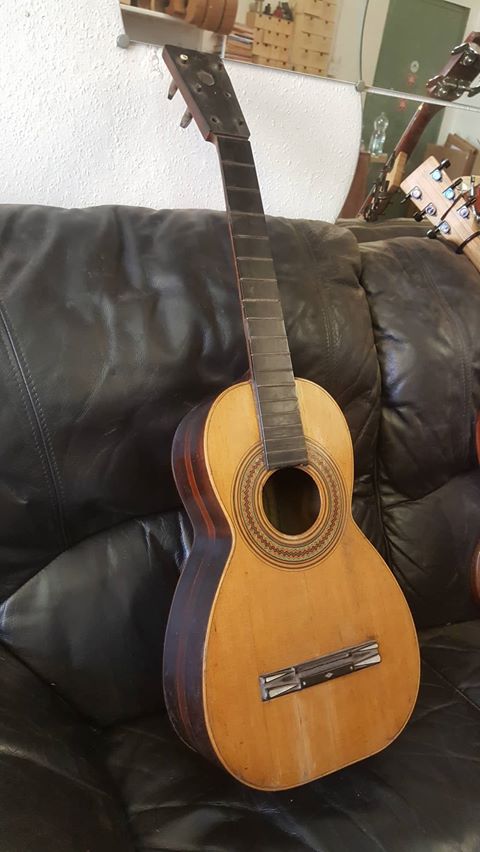
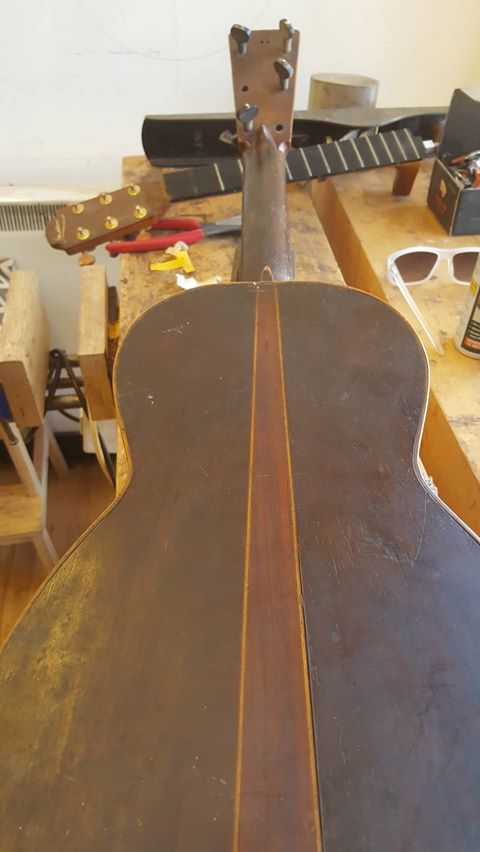
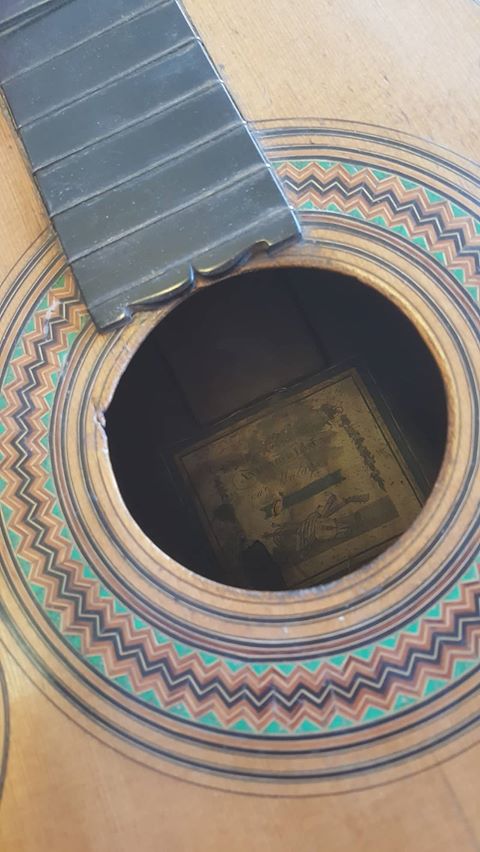
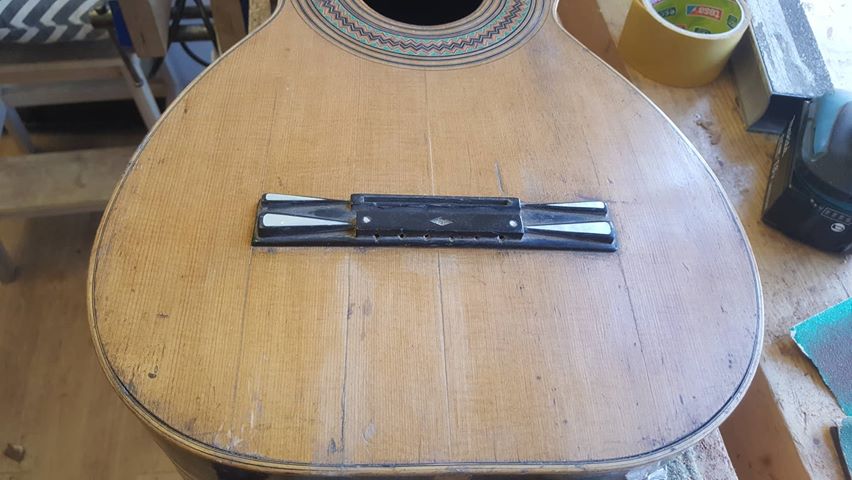
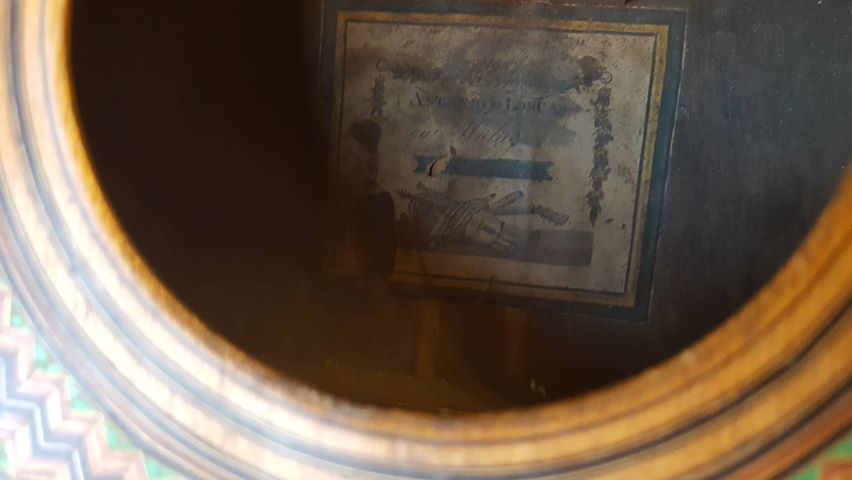 This is a guitar made by Antonio de Lorca, probably the last generation, for sale as is. The guitar is in Dublin but I have no more information about it. Contact the seller here.
 You can read a bit more about the Lorca dynasty here.
Esta guitarra se encuentra en Dublin y se vende tal cual. Hecha por Antonio de Lorca, probablemente el de la última generación. No tengo más información sobre la guitarra pero puedes contactar con el vendedro aquí.  Puedes leer más sobre la dinastía Lorca aquí.
Torres Comparison
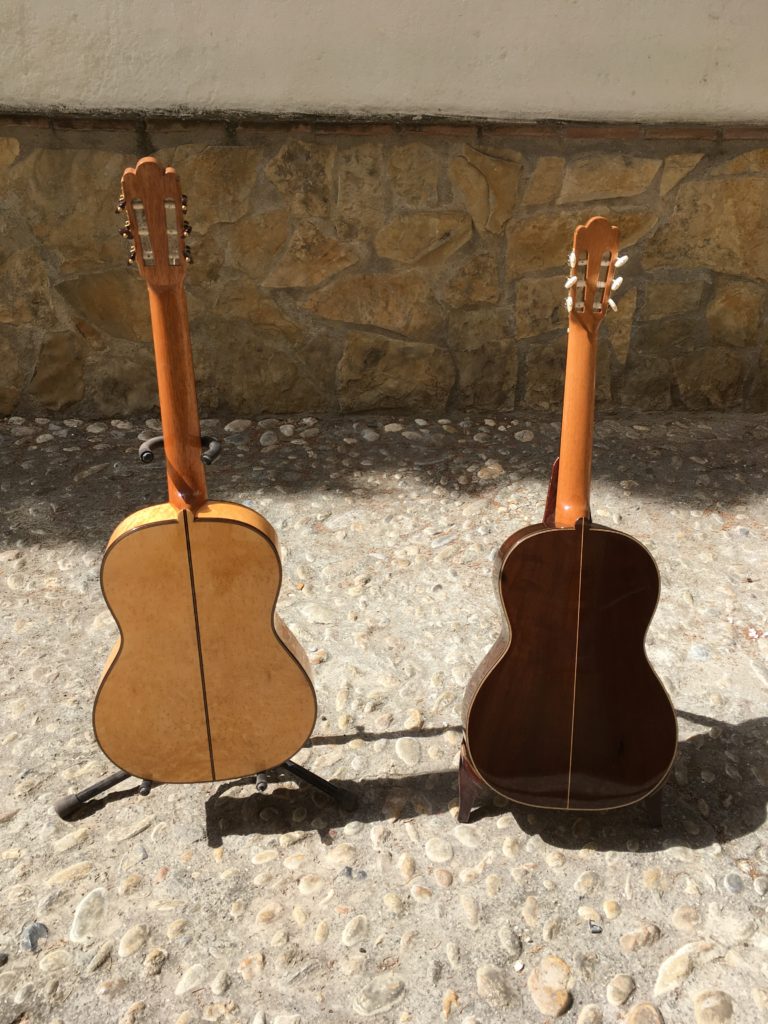
I had some questions about the difference between two different Torres models which were available in my workshop for testing for a short time. After having three very good players put them through their paces here are the conclusions:
The SE70 is a bit easier to play and has a sparkle to it that the other one doesn’t have. It is really quite loud and you might even say explosive. At the same time you have to be careful how hard you push it. The basses are quite amazing and reminiscent of the original. This is the sort of guitar that you pick up and get excited about just because it is so very alive.
As for the SE153, the sound is slightly sweeter but also more controllable. The trebles have a fuller, thicker sound and it has more dynamics. According to one guitarist there is more sympathetic vibration from the guitar itself and from the strings. Sustain above the 12th fret seems to be better too. As a maker I like this one better because you can do more with it and I know from experience that it is not underbuilt.
The above is not surprising at all if you take into account the differences in construction between the two. The SE 70 is very lightly built, almost too much of a good thing. A thin top favours basses over trebles (usually) and is very good for volume. Two of the fan braces extend through openings under the lower transverse bar and possibly extend the vibrational area of the top. However, I strung it with D’addario J43 strings and that low tension makes a difference too. The saddle also might be a bit too low for its own good. It is worth mentioning that this is the very first copy of the SE 70 that I have made. On the other hand I have been making the SE153 copies for 15 years and have managed to achieve something really special and sophisticated. As you can see from the picture the SE153 is maple and the SE70 is rosewood; there might be a slight influence there too.
More visits to the exhibition
The idea of the guitar exhibition that we at the association organized is to raise awareness of the importance of the guitar and guitar-makers in Granada and to garner support for a future museum of the guitar here. This week we had visits from a number of politicians and more than a few musicologists and players. 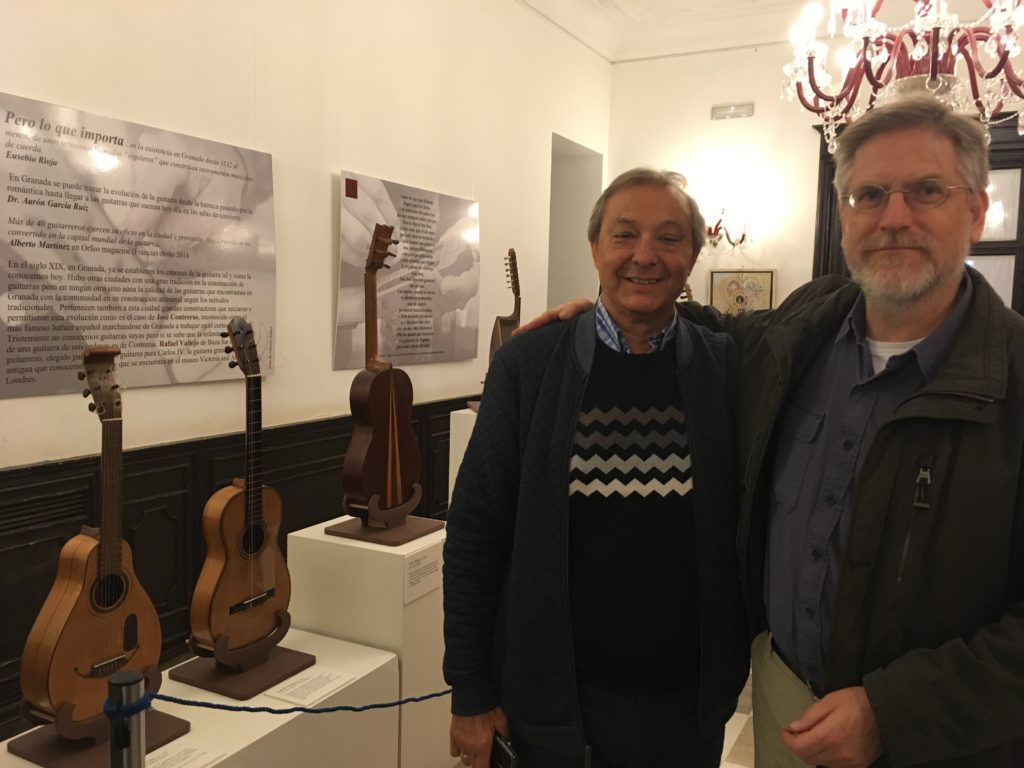 Pablo de la Cruz visited and I had the honour of showing around and explaining the idea that we have for a museum. He was very supportive and hopeful that Granada politicians can do what those from Madrid were unable to do. Next weekend, Sunday actually, is the last opportunity to see the wonderful 19th century guitars which we managed to collect for this show.
Rare Opportunity – two sisters
This is a rare opportunity to try both of my Torres models while they are still in the shop for a short time only. The first is my SE153 which I have been making since 2005 and the other is a copy of SE 70 which I only recently was able to study and photograph. The originals are both used often in concert and can be heard on various videos and recordings. The two sound somewhat different because of construction details such as differing top doming, fan braces extending under the top bar in the case of SE 70 and a general lightness of build. The SE 153 is somewhat 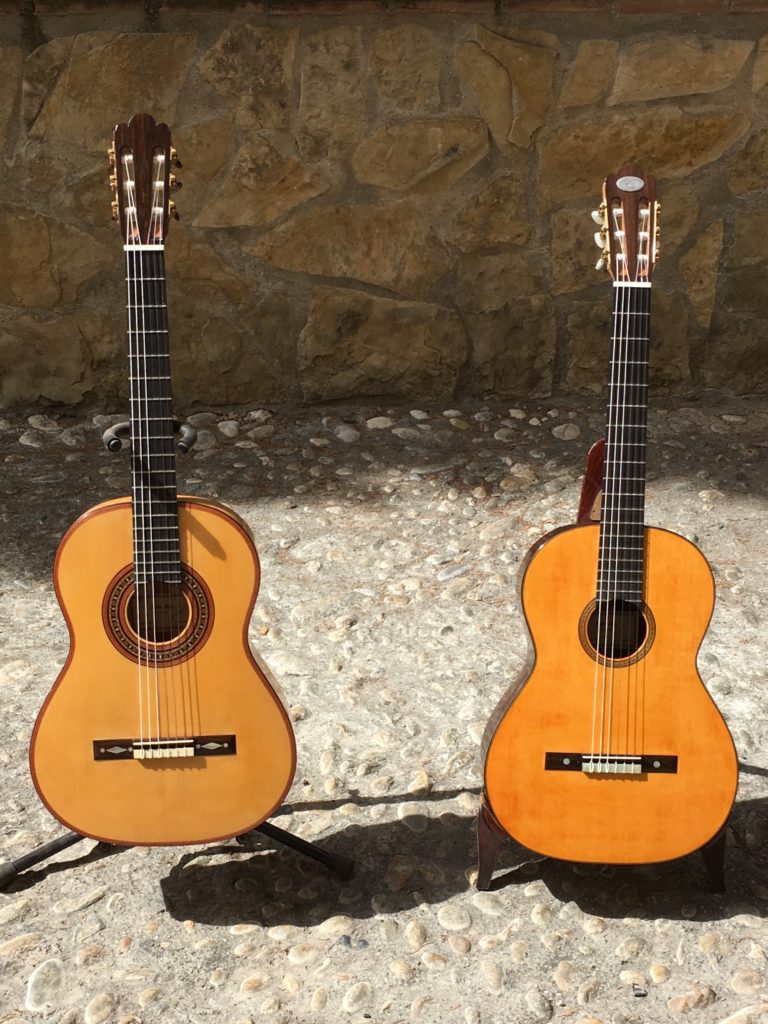 more elaborate in its decoration.