Had a great night last night watching the Ballet Flamenco de Andalucia.
I love guitar music but in some of its varieties I can only take so much. A solo flamenco guitar concert usually runs too long for me. However, put it together with a singer and a dancer and it becomes the most amazing show in the world! Of course the two excellent guitarists were not the heroes last night, it was choreographer Rafaela Carrasco and her dancers. The grace and sensuality of Ana Morales and the passion and energy of Hugo López led the troupe to a standing ovation. I went with my sister-in-law who is an amateur dancer and she was very impressed with the level of skill shown by the dancers. Homepage Ballet Flamenco de Andalucía
Granada is a great place to see flamenco, there is a season at one of the local theatres which brings singers, dancers and guitarists on a regular basis, a few festivals in the summer and of course the International Music Festival in the summer which is always good for some flamenco. All of this along with a few bars which do flamenco shows and then all of the tourist places where you can be sure of seeing something even when none of the afore-mentioned are open.
I haven’t been able to find a review of the concert but I heard it was a hit. Javier Ruz is a great guitarist, researcher and teacher. Since September he has been teaching at the Conservatory here in Granada and has been playing one of my guitars since 2006. On his webpage you can see him with that guitar (I love the colour it has taken on over the years). The concert in question was a celebration of the 700 year anniversary of the construction of the Córdaba Synagogue (Javier is from Córdoba).
Javier finished his studies with the highest distinctions at the Conservatory of Music in Córdoba in 2006 but has never stopped learning and improving himself. Writing, teaching, playing and studying. It is a pleasure to have him here in Granada.Here are some links which give you an idea about his other activities.
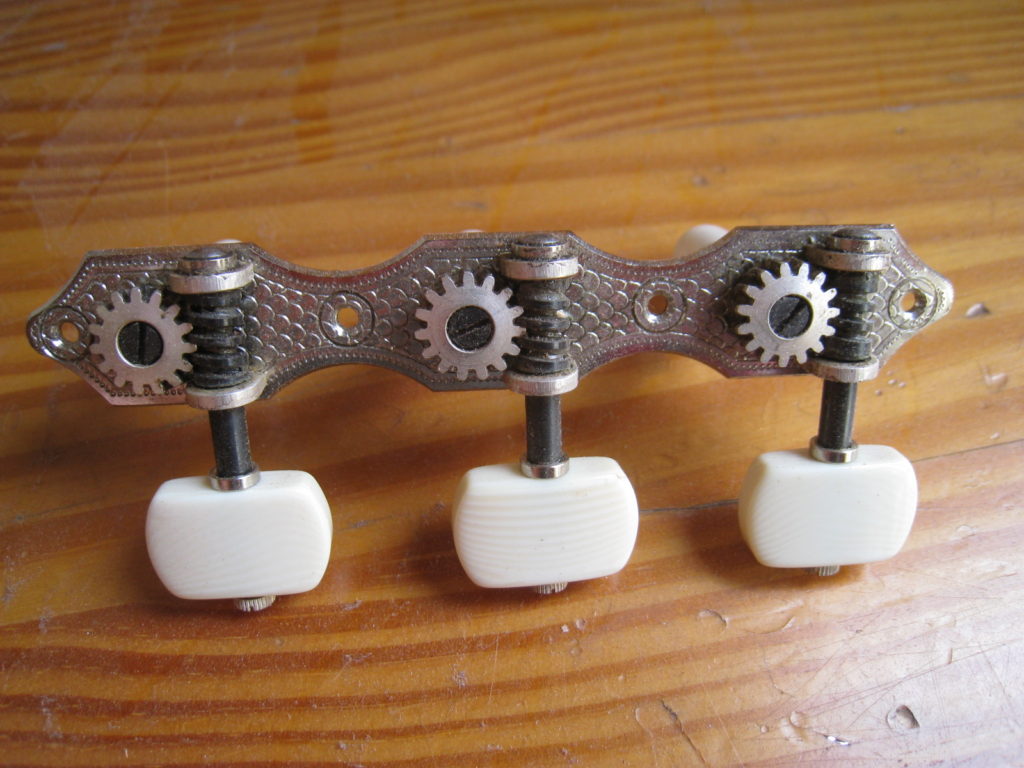
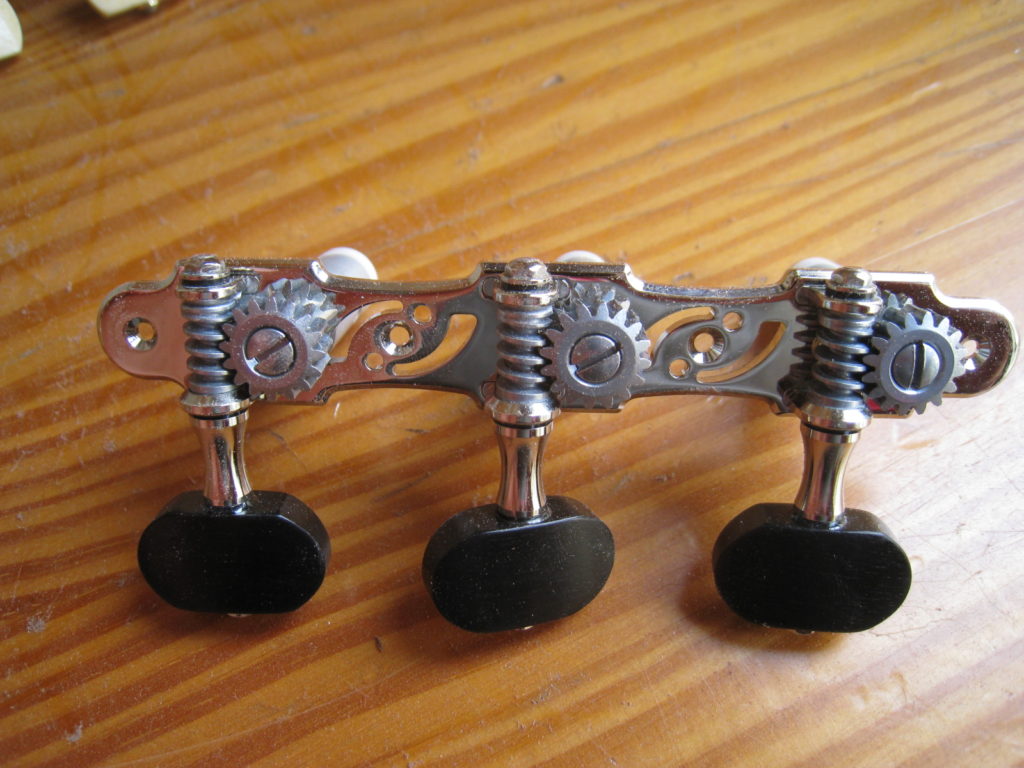
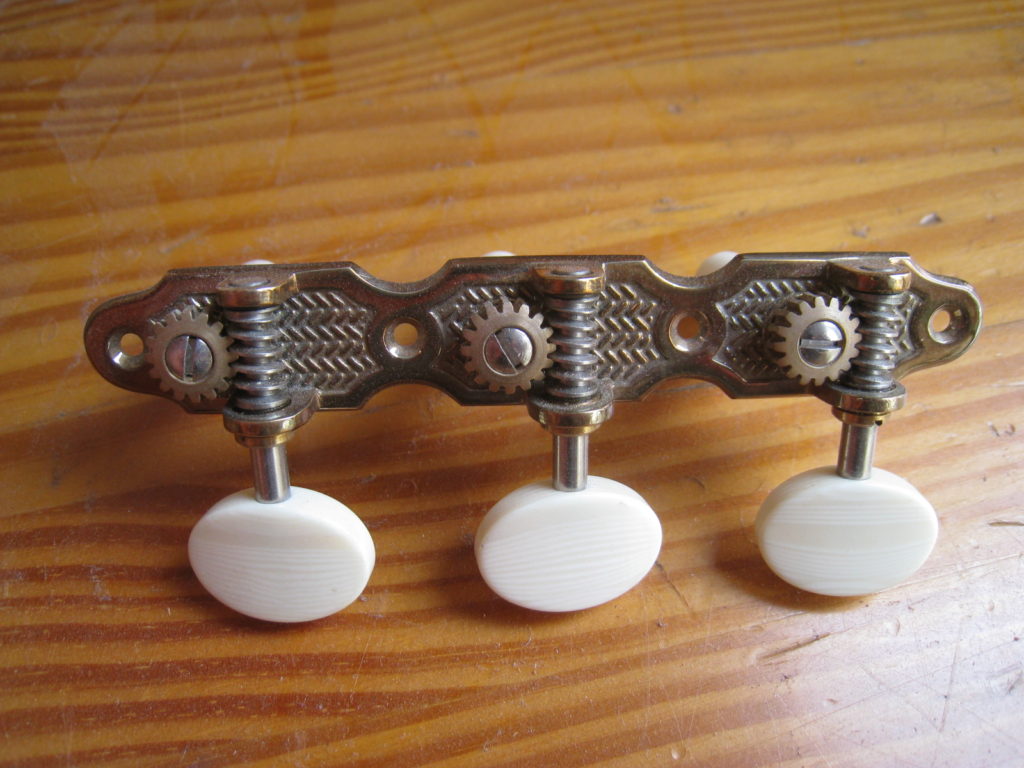
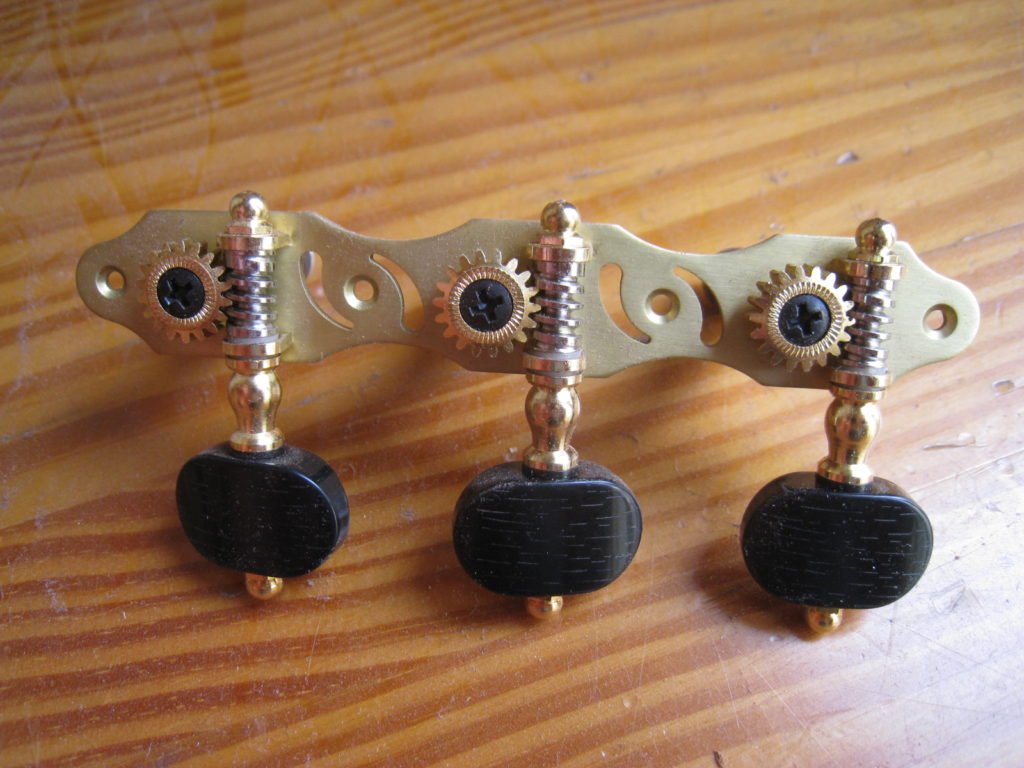
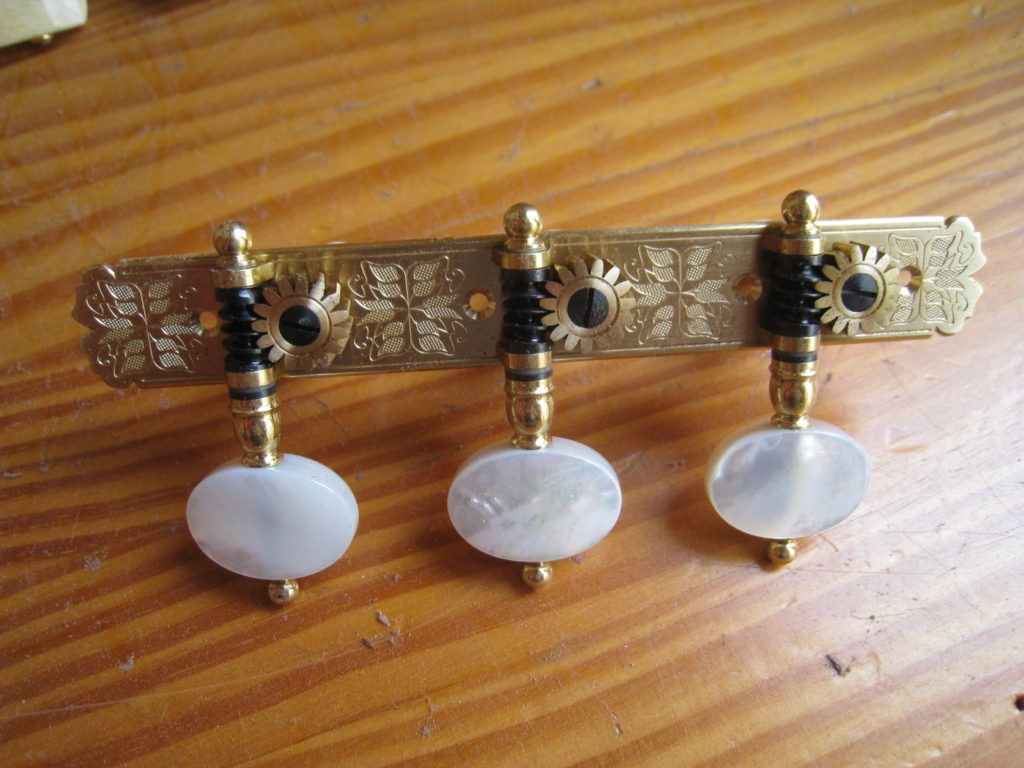
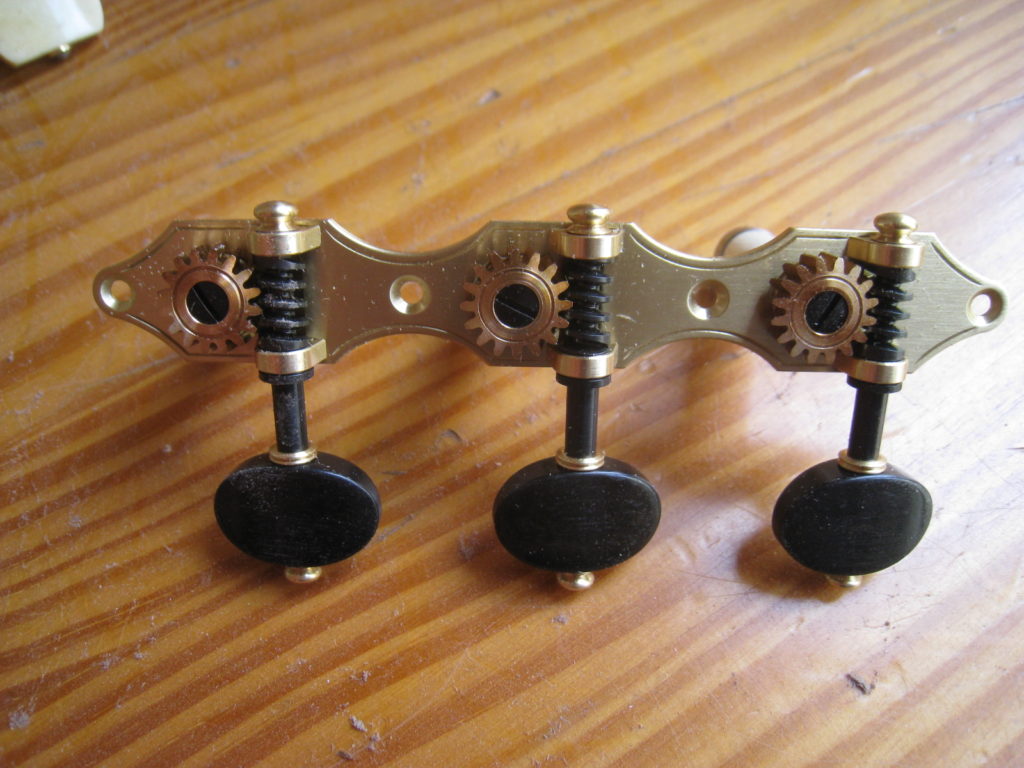
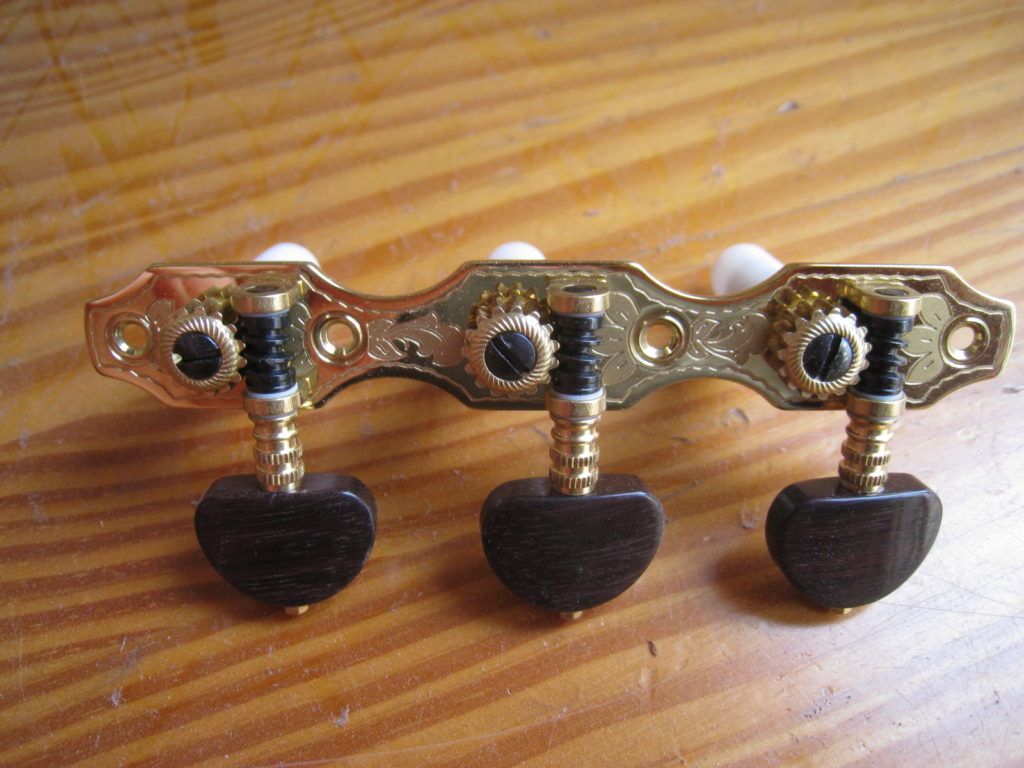
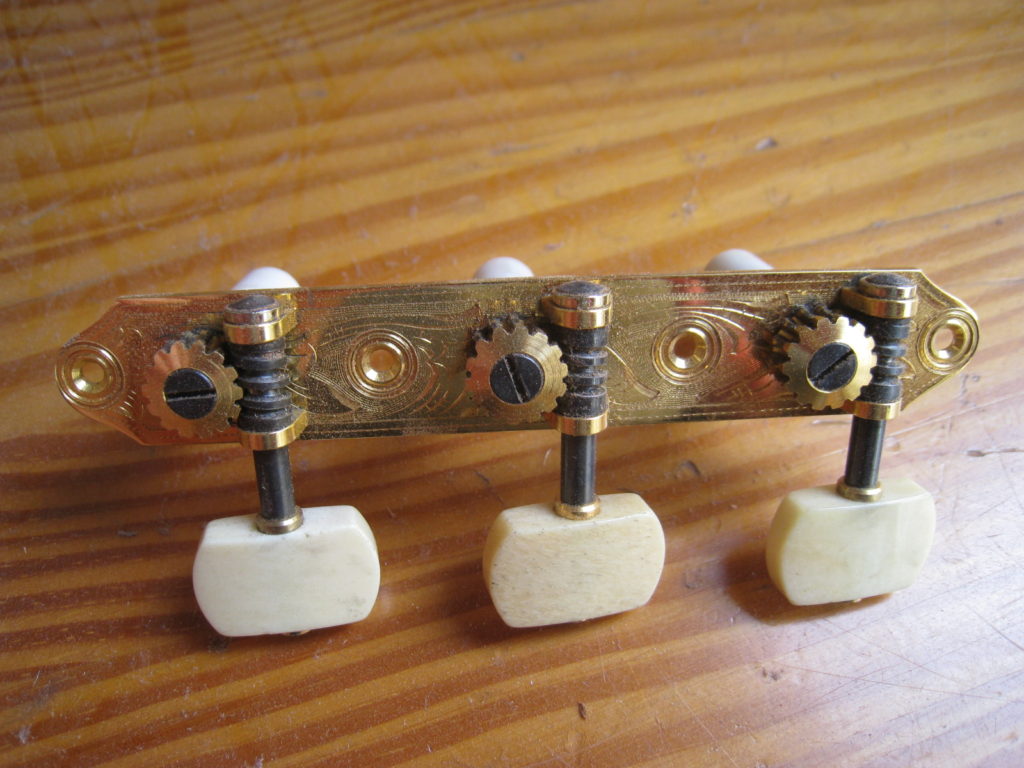
Unless a client chooses a specific brand of machine heads I need to decide what to use, sometimes the decision is based on the aesthetics and sometimes I am just looking for the best tuner at a specific price point. For a long time Sloanes were my standard choice but lately importing them is more expensive and full of hassles so I am trying other things. For now the Rubners seem to be a good choice and the Schellers for the Torres copy. These are Ullsperger, probably at least 30 years old and based on the old Reischl. If you are familiar with the Reischl you will know that you have to relieve the wood to make room for the rivets, the rivets on these are twice as deep! Gotoh. I bought these to use on a flamenco guitar but ended up using something different, they are not as lightweight as I had hoped.
Faithful Sloane, I have used these for many years. Der Jung, new on the sceneRodgers is always a good choice but pushes the price of the instrument up. Scheller is mechanically very nice and I like being able to order them with no engraving.Here are the Rubners, so far I dislike the screw on the peg, I will have to figure out how to keep it from coming loose.This is the old Reischl, waiting for someone ask for them on a guitar. These are from my teacher’s estate and they have a fantastic, solid feel.
Here is a little about this famous Spanish book from this page. Below is a powerful video of one of the poems.
This is a literary text written in poetical prose. It is also part fiction and part autobiographical. It relates the life of the author in his beloved hometown, Moguer, Spain. In addition to the relationship that he has with his faithful little donkey, Platero, the story depicts the life in a small Spanish town, of the author’s life after he returned to his hometown after being gone for a while. The towns’ people see him as being a odd….dressed in black, and always accompanied by his donkey…the town’s children call him “El loco”. The book is divided into 138 short sections, narratives, which are numbered chapters; no one contains more than eight paragraphs. It is poetical in the author’s choice of words and style of writing: metaphors, similes, symbolization, and lyrical impressions abound. Keeping with the poetical prose of Romanticism, the author utilizes musical aspects of language as well as poetical images. Many think JRJ wrote this book with children as his intended audience; however, the author himself addressed this in the prologue to a later edition saying that this was for no one. “Some people believe that I wrote Platero and I for children, that this is a book for children.
No. In 1913, the editor of La Lectura, who knew I was writing this book, asked me to advance
a few of its most idyllic pages for its “youth series.” Then, changing my idea momentarily,
I wrote this prologue:
A NOTE TO THOSE GROWNUPS WHO MIGHT READ THIS BOOK TO CHILDREN:
This short book, where joy and sadness are twins, like the ears of Platero, was written for… I have no idea for whom!
… For whomever lyric poets write… Now that it goes to the children, I do not add nor remove a single comma. That’s it!
“Wherever there are children”- Novalis used to say- “there is a Golden Age.” Well. it is within this Golden Age, which is like
a spiritual island fallen from the skies, that the heart of the poet walks, and it finds itself there so at home that its
most cherished wish would be not to have to ever abandon it.
Island of grace, of freshness and of joy, Golden Age of children; I always could find you in my life, a sea of mourning;
let your breeze lend me its lyre high and sometimes senseless like the trill of the lark in the white sun of the morning!
I have never written nor will ever write anything for children, because I believe that the child can read the books that
grownups read, with some few exceptions, that come to everyone’s mind. There are of course exceptions too for men and for women.”