Prelude at Sunset


Javier Riba kindly allowed me to publish what he wrote here. Translation below.

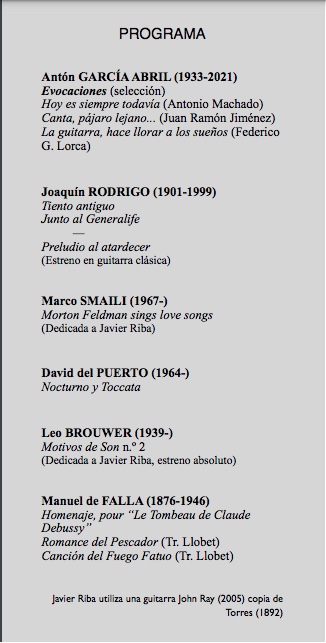
Preludio al atardecer (1926) de Joaquín Rodrigo Javier Riba (guitarra)
En el año 2019 el musicólogo Javier Suárez-Pajares encontró una pieza inédita de Joaquín Rodrigo en el archivo del compositor titulada “Preludio al atardecer”. Hasta ese momento desconocíamos la existencia de esta composición que, si nos atenemos a la fecha del manuscrito (1926), podría tratarse de la primera obra para guitarra del autor del Concierto de Aranjuez. El “Preludio al atardecer” no es una tentativa de un joven compositor pianista que se acerca a la difícil empresa de escribir para la guitarra; todo lo contrario, es, en mi opinión, una pieza madura, sorprendentemente bien resuelta en el plano instrumental (aunque con una demanda técnica que se adelanta a los parámetros de su época) y muy audaz en el planteamiento tonal. Escrita en el modo flamenco de Do, con armadura de Fa menor (4 bemoles), presenta un episodio central con rasgueados en Mi mayor cuya luminosidad contrasta abruptamente con la oscuridad de las secciones que la preceden y la siguen. El guitarrista Juan Manuel Cañizares ha sido el primero en comunicar la pieza tanto en concierto como en grabación, desde una óptica flamenca, a través de su proyecto “Rodrigo por Cañizares”. Aquí les presento mi lectura “clásica” desde un prisma más académico.

In 2019 musicologist Javier Suárez-Pajares discovered an unpublished score by Joaquín Rodrigo in the composer’s archives titled “Prelude at sunset”. Until that moment we were completely unaware of the existence of this composition which, according to the date (1926), might well be the first piece the author of Concierto de Aranjuez ever wrote for the guitar. But this prelude is hardly a “first try” by a pianistic composer who wishes to take on the difficult task of writing for the guitar; rather it isa mature piece which is surprisingly well resolved on the fretboard of the guitar. It must be said that the technical difficulty is ahead of its time as is the audacious tonal approach. Written in flamenco mode in C with a key signature of F minor (4 flats) it includes a central episode with “rasgueados” in E major the luminosity of which contrasts abruptly with the darker sections which precede and follow it. Guitarist Juan Manuel Cañizares was the first to both record and play this piece in concert of course from a flamenco point of view in his project “Rodrigo by Cañizares”. Here is my classical vision using a more academic approach.

Mi agradecimiento a Cecilia Rodrigo y a la Fundación Victoria y Joaquín Rodrigo.
Grabación de estudio (noviembre de 2021)
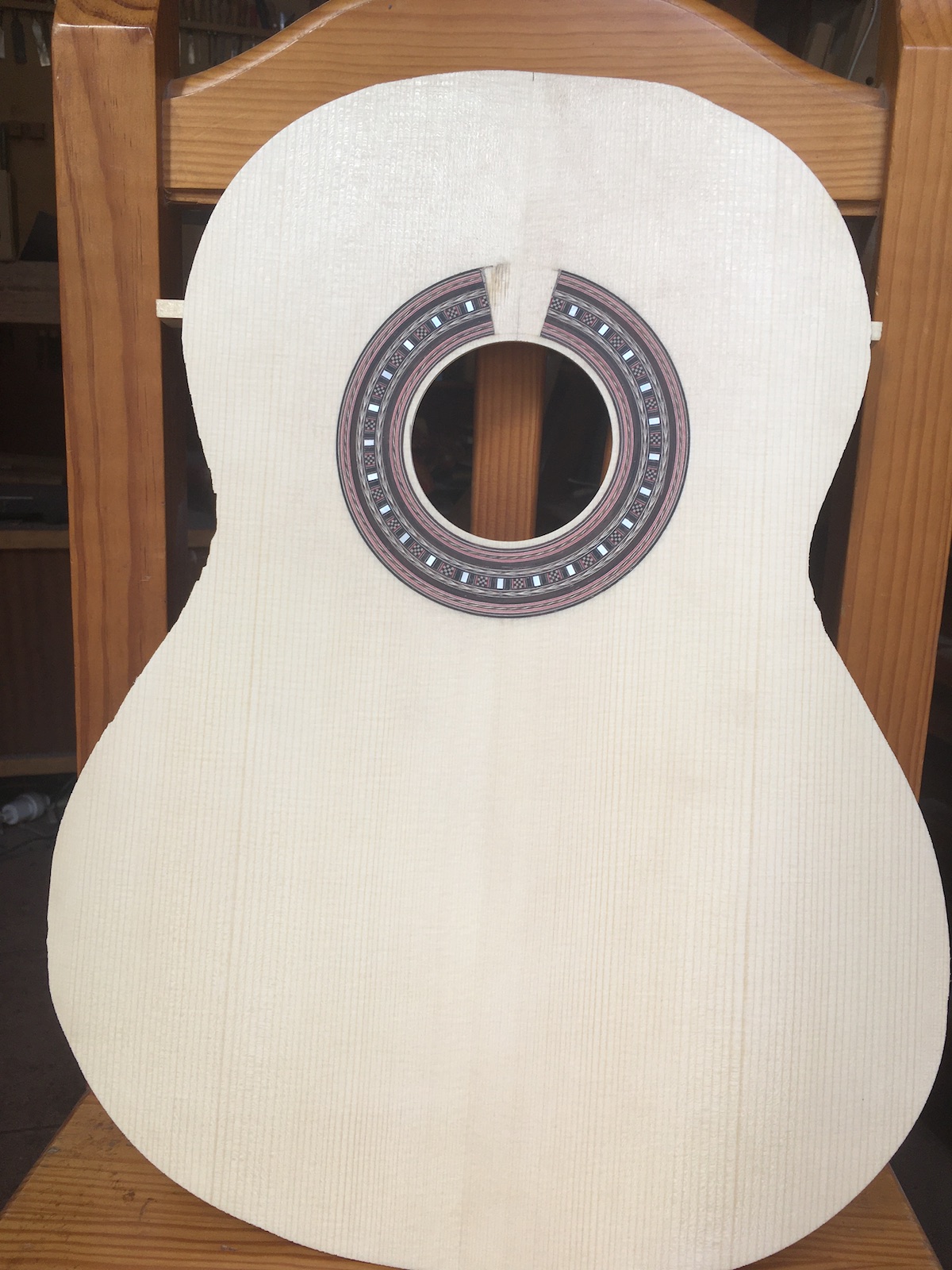
guitarra John Ray (2005) copia de Torres (1892)
Estudio Hanare (sonido e imagen de Lauren Serrano)
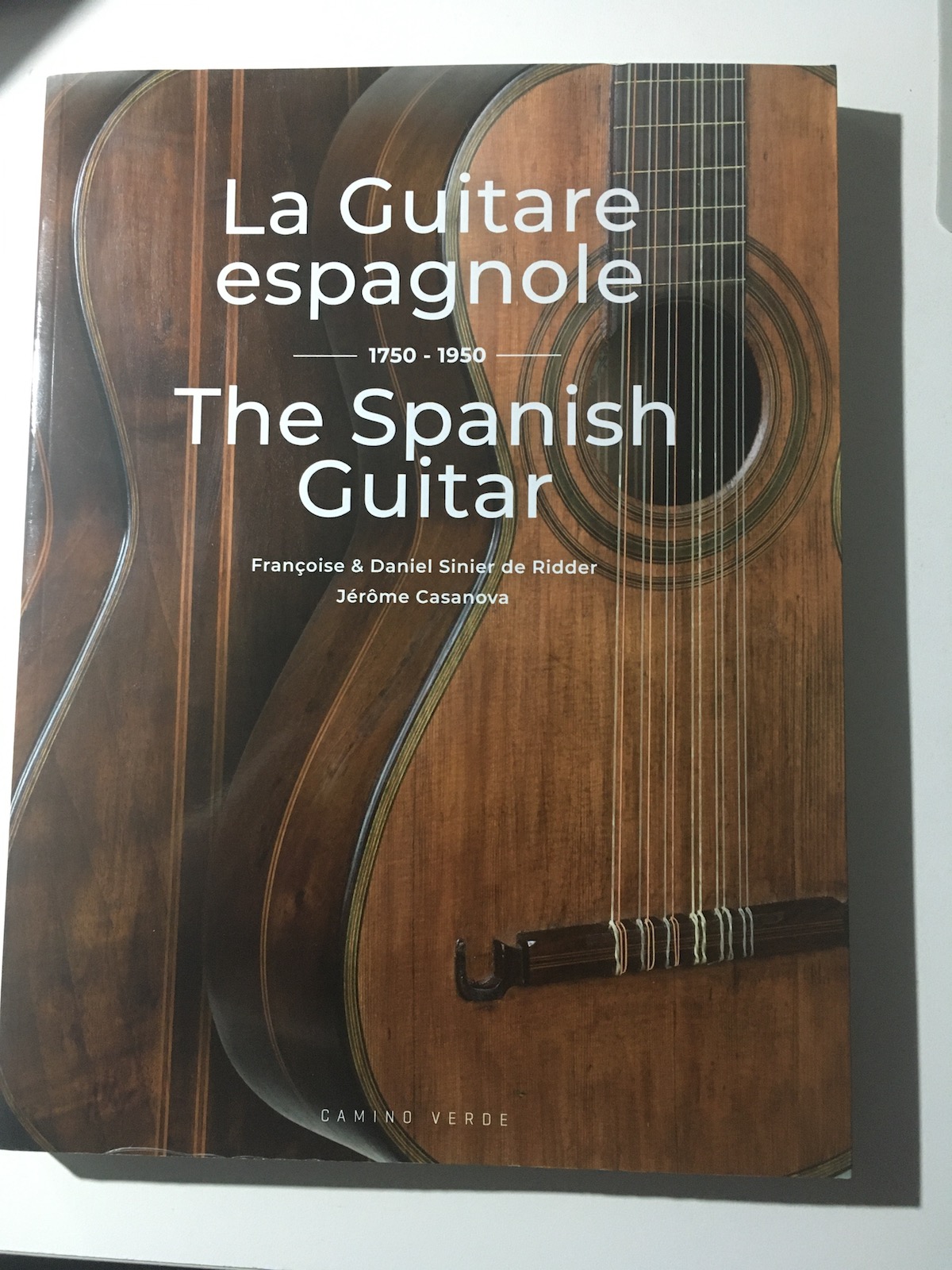
 

My latest acquisition

This is the fourth book about the guitar in a series started by Françoise and Daniel Sinier de Ridder. This time Jérôme Casanova has added his authorship to the book. I can’t tell you much more because I have yet to read it but just as all of Camino Verde’s books it is beautifully illustrated.

Javier Riba plays new Brouwer

The Sociedad Española de la Guitarra organized a concert in Madrid on December 11. I have it on good authority that Javier played wonderfully and the public was appropriately enthusiastic. The Brouwer played there was a world premiere. I don’t know of any recordings from the concert but here is a studio recording. Motivos Son No. 2   Leo Brouwer

Back to the Library

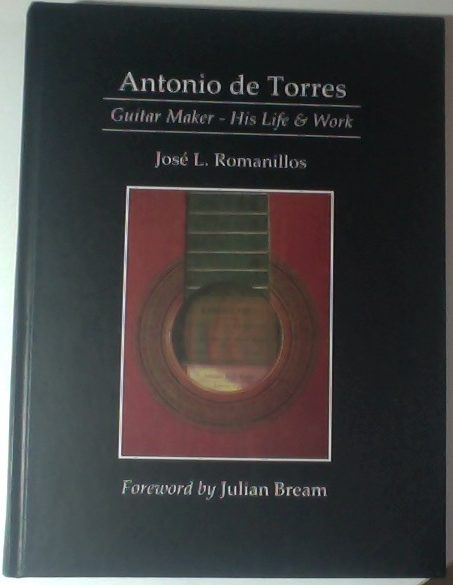
The Granada tradition of guitar-making is a very important one and I have tried to encourage and contribute to documentation of it. I just received a copy of the latest edition of Romanillos’ book about Antonio de Torres and would like to share the quote that supports one of Granada’s claims to fame. The text comes from a letter written by a friend of Torres to Francisco Rodríguez Torres in 1931.

“In his youth don Antonio moved to Vera where he learned the carpenter’s trade and where he married at the age of 23 with a sister of the paternal grandfather of the present parish priest, don Alfonso López Sánchez, and they had a daughter. Soon after becoming a father, he went to Granada where he made his first guitar, and he was very content to achieve his wish. Subsequently he moved to Sevilla where he took up residence. In that city he was married for the second time and the celebrated concert artist don Julián Arcas was his best man.”

Purfling

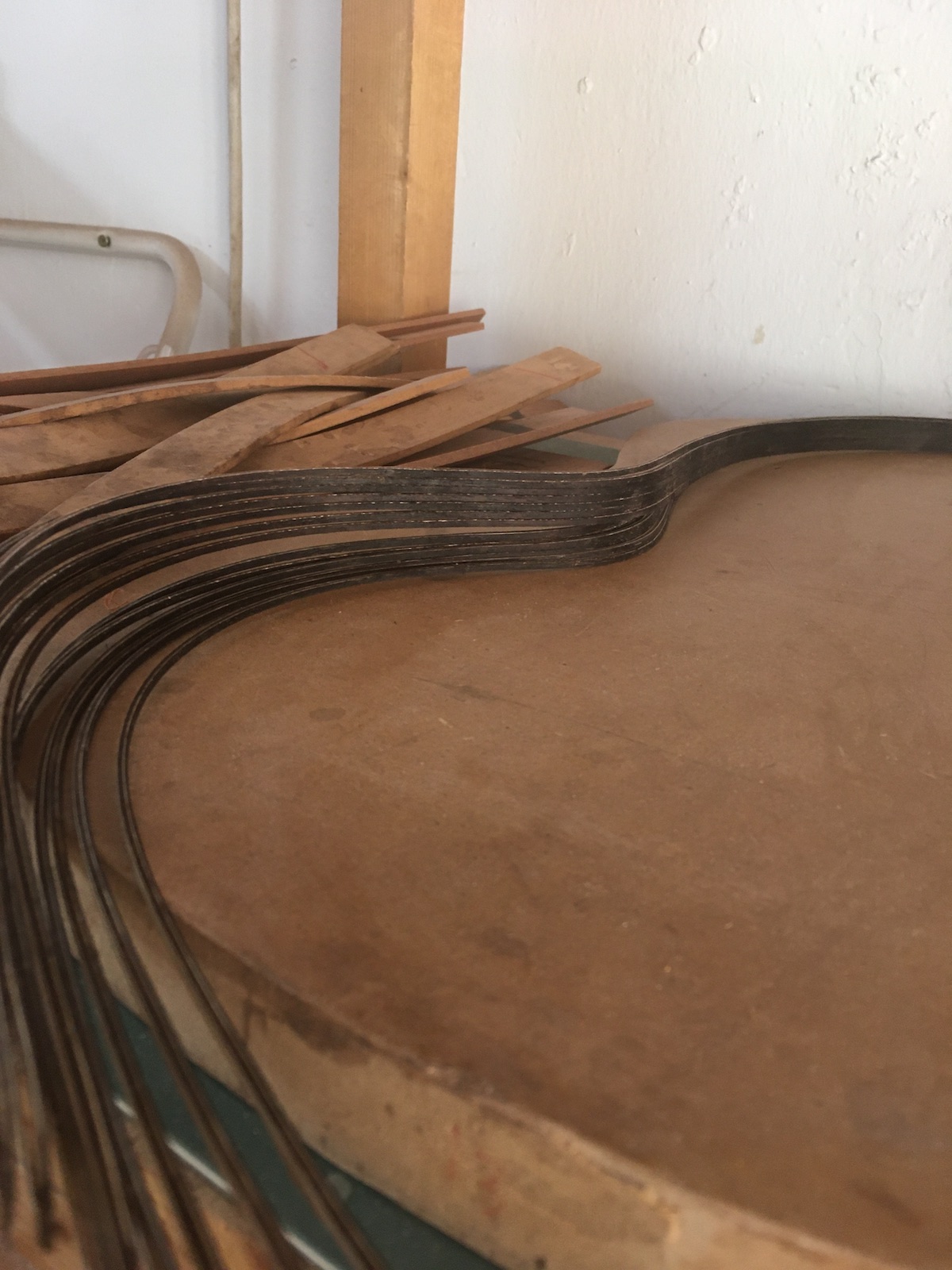
Creating simple purfling can be done in many ways and I have tried a few. If you are confident that you can keep the final width constant you can glue the different veneers together in a mold with the shape of the guitar. In a addition to the problem of glueing up you add the problem of cutting the strips off once it is bent. A fine blade in a band saw and a raised up support works all right but still takes some skill to keep each strip even. You can then plane each strip if necessary.

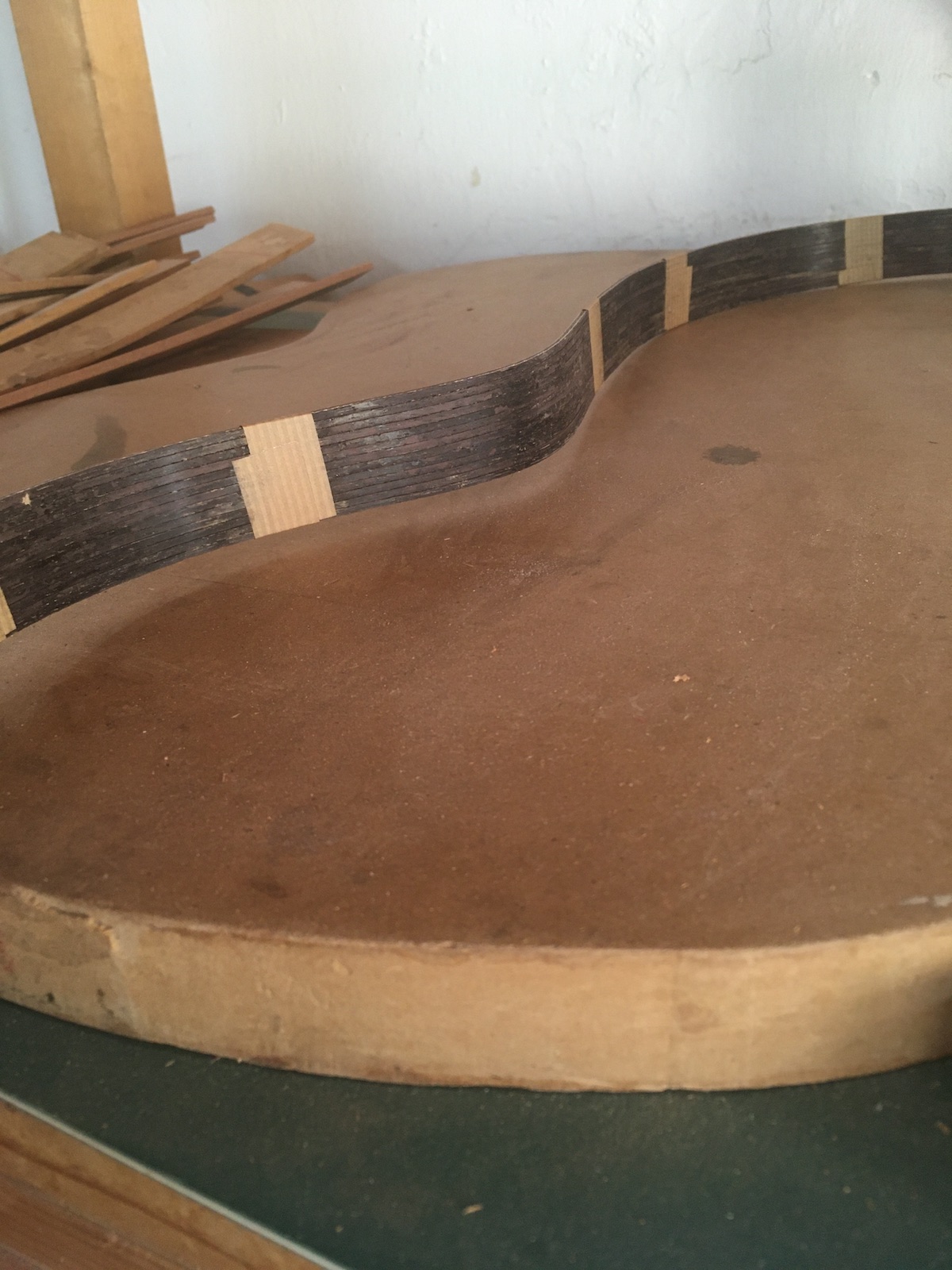
Another option is to glue only two veneers together and then combine them at the time of installation. This way they don’t need to be pre-bent. I do that with the Torres copy. For the rest of my guitars I glue the four or five veneers and then put them in the Fox bender. I use hide glue as some of the synthetics don’t stand up to the heat. The problem with bending glued veneers is that they often want to twist as they bend and this makes them useless. The way around this can be seen in the photo. Adhesive Kraft paper tape is used to fix the purfling strips together so that they can’t twist.