Whatever you call the process, extracting the information from great guitars and taking advantage of that to build new ones is a very common practice. Some try to get the same aesthetics, some are looking to capture that 100-year-old sound and still others are more interested in learning about the processes used by the historical makers. Usually even those makers who are quick to state that they have developed their own models have studied the past masters or some particular guitar they have found to be excellent. The guitar has evolved so much that to ignore what we have collectively learned is unwise to say the least.
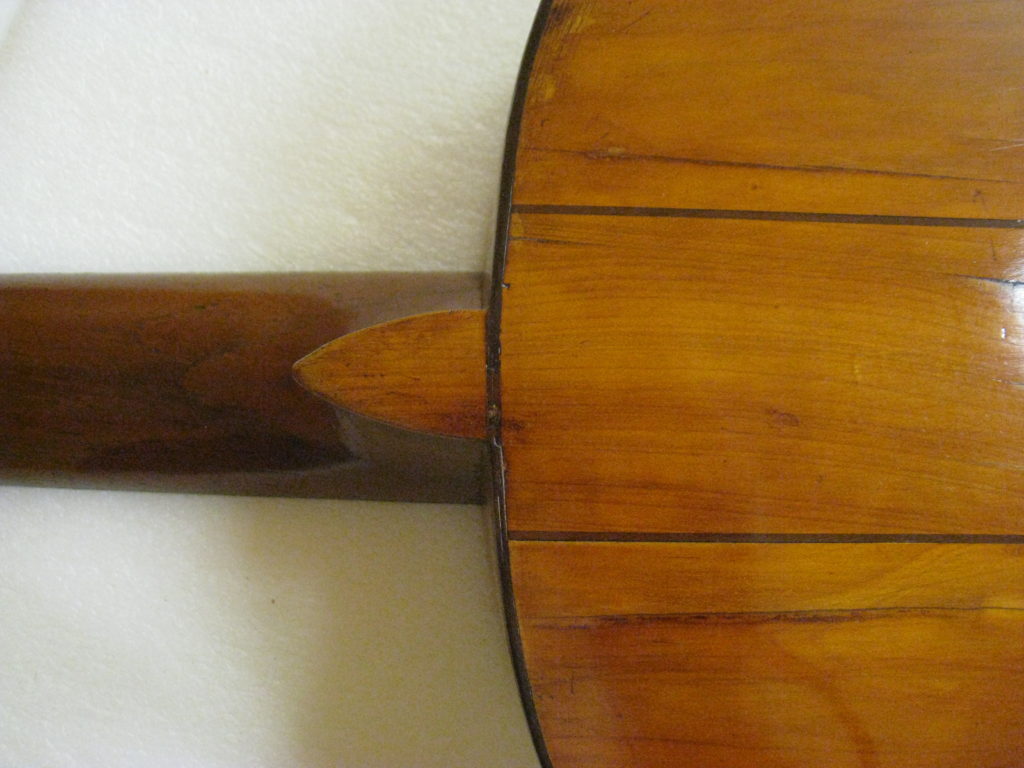
In my own case, the first guitar I copied was Antonio de Lorca from Málaga. The original was the earliest fan-braced instrument I had seen at the time and had a very high curve on the top. The owner had some very interesting guitars but this is the one that I chose to study. It captured my attention and the first copy I made proved interesting to some players. I went on to make quite a few and still offer it. In the meantime I was developing my own guitar and its sound using as a starting point the dimensions and bracing of a Hauser guitar. This model has since undergone changes in dimensions, bracing, and aesthetics.
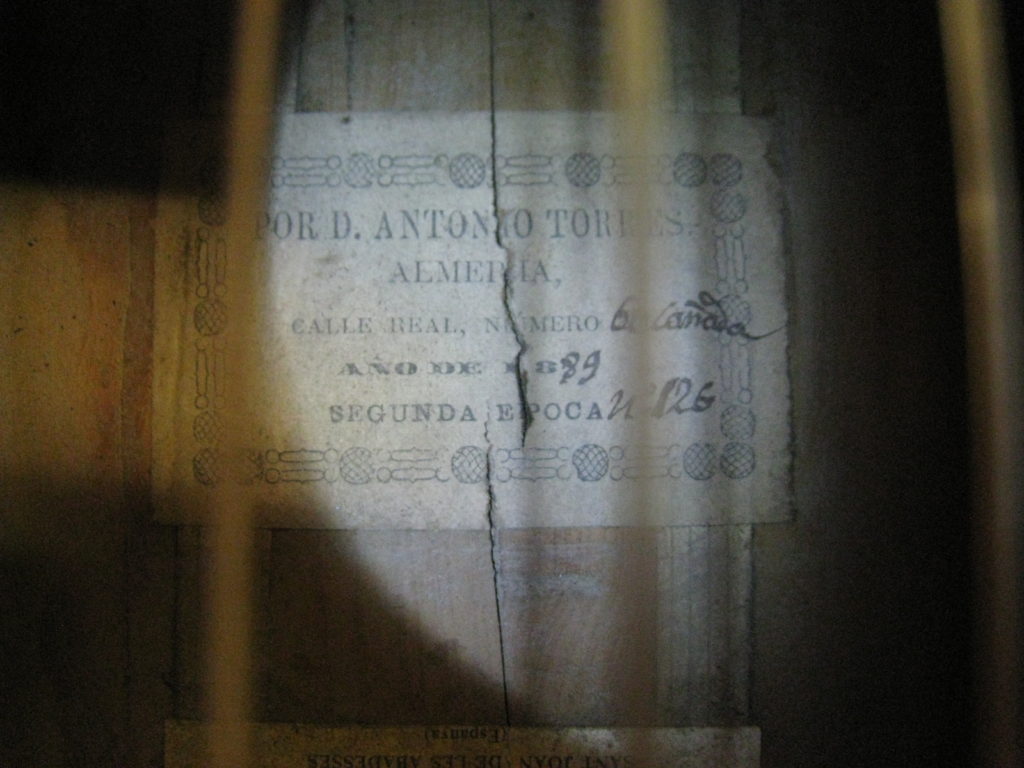
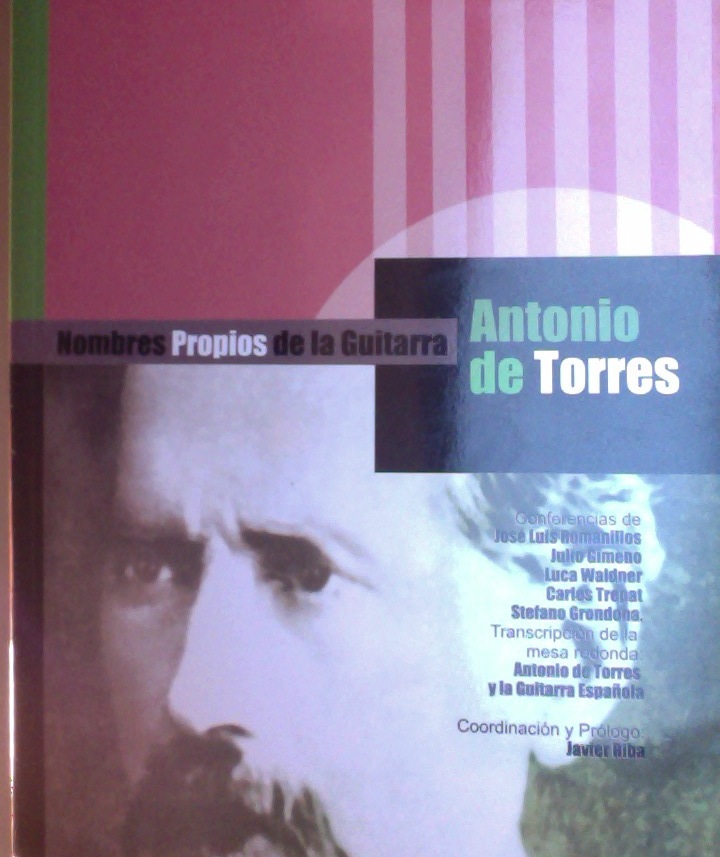
My first experience with a great-sounding Torres (not all of them are) got me excited and I wanted to try to get that sound. Once again, total access to the instrument was very important to discovering all the details that made it great. There must be a lot of guitarists who feel the way I do about that sound as this has become my most popular model.
A lot of factors have to come together for that kind of success and that just didn’t happen with the next guitar that came my way. A 1900 Vicente Arias in perfect condition and very playable once again had me marvelling at the maker´s skill and good taste and making another copy. A large number of makers have asked me for details about this guitar but in general guitarists are not attracted to VIcente Arias the way they are Antonio de Torres.
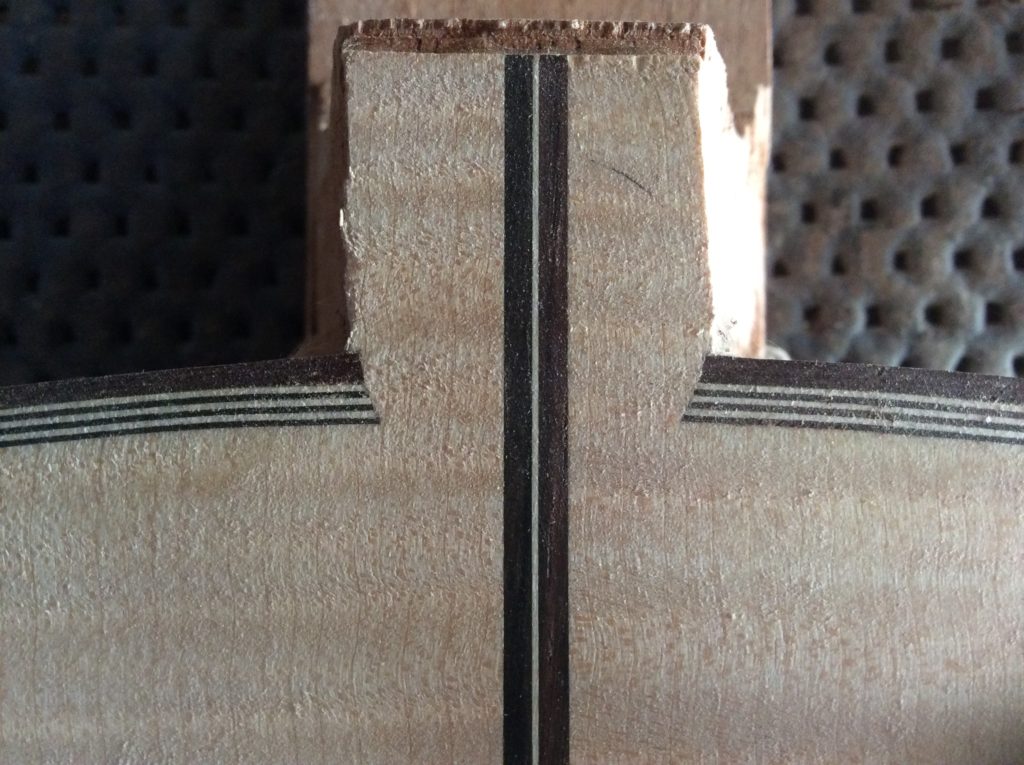
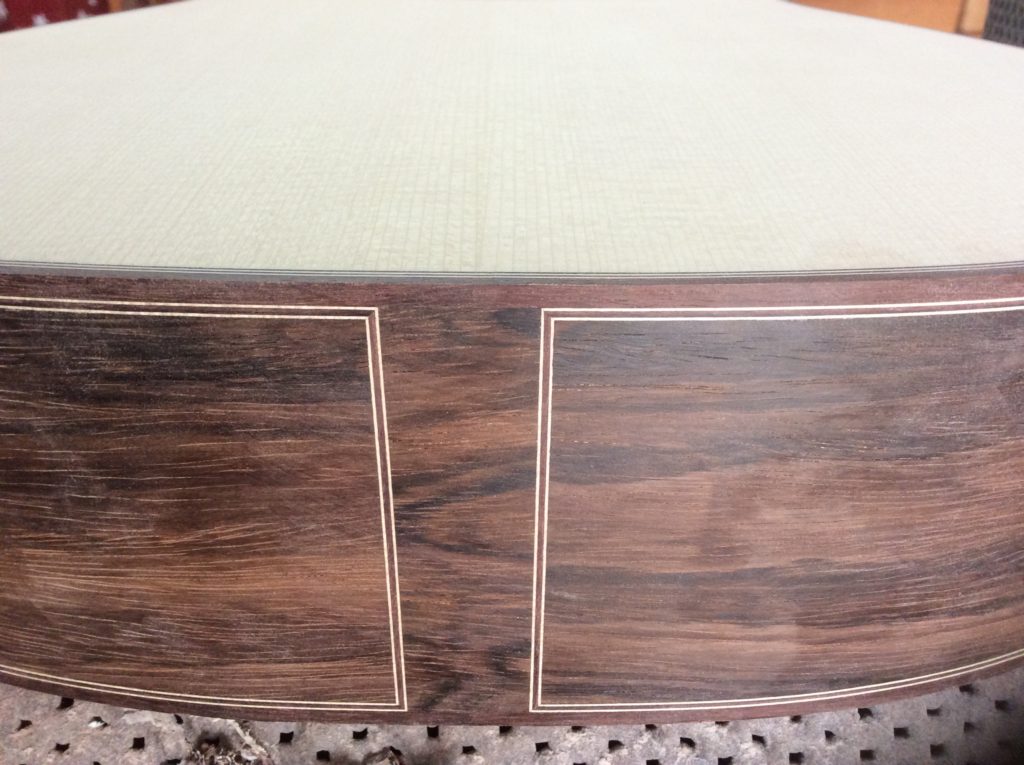
I have never asked myself, “Which guitar should I copy if I want a commercial success?” but rather I do a restoration or hear a guitar and fall in love with it. Well the latest copy came out of an article I was asked to write about a guitar made by Santos Hernández. 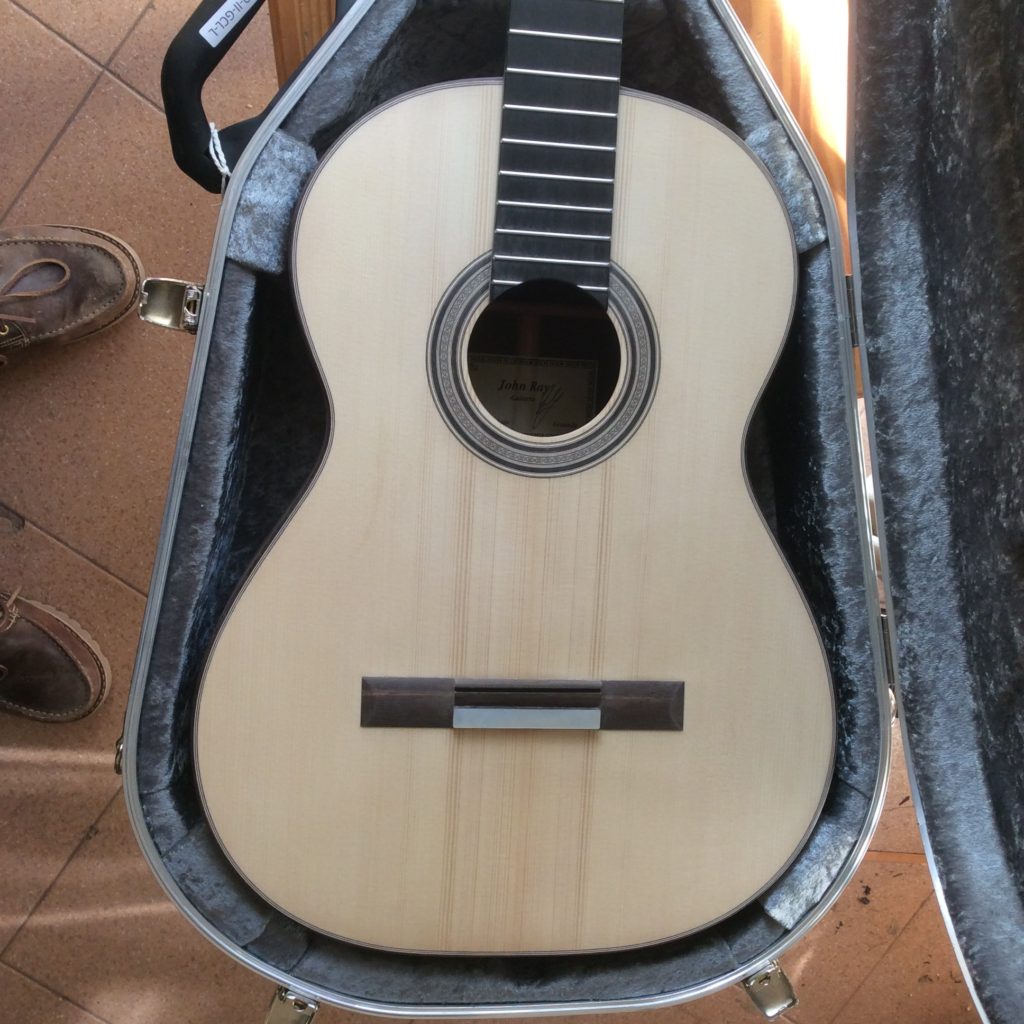 I started by writing the article (in which I include a complete drawing of the guitar) but once again due to the wonderful qualities of the guitar I was asked to make a replica. I just finished it and will soon be sending it to the client.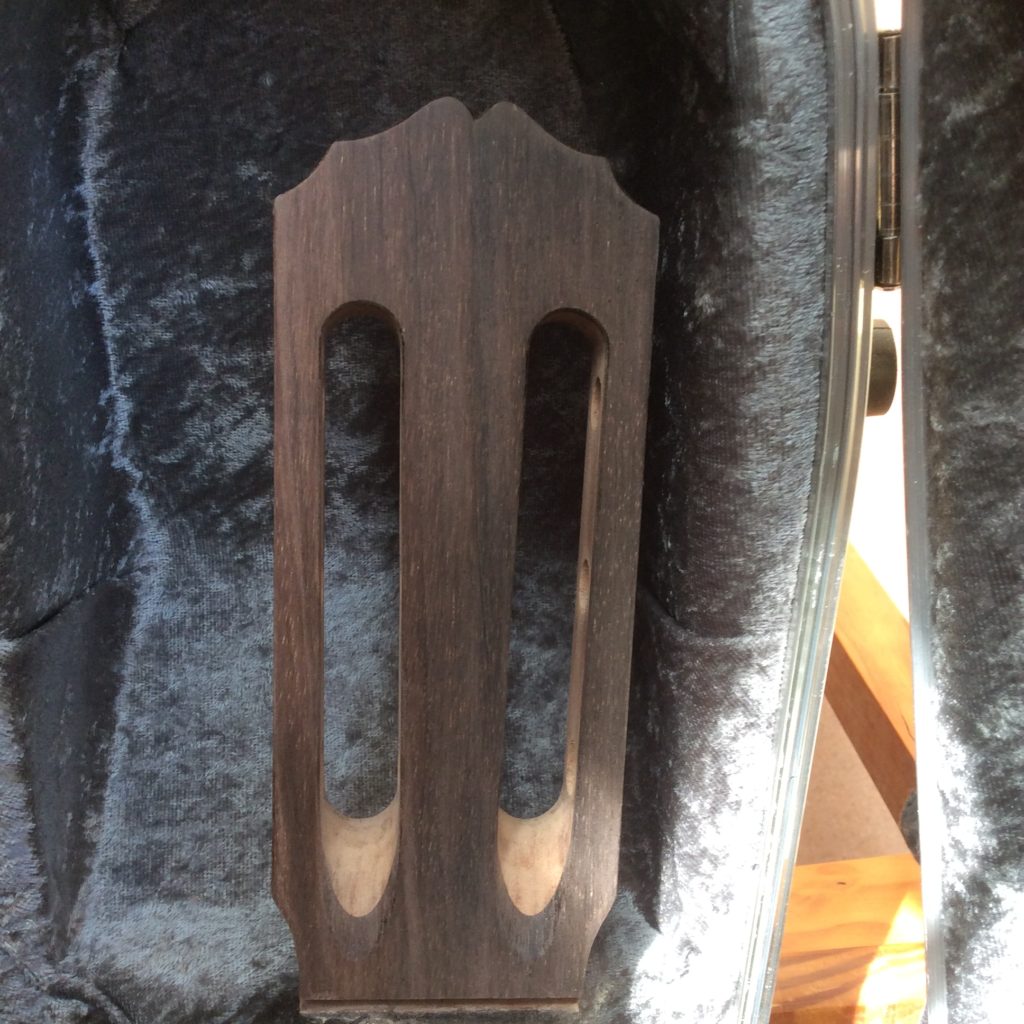
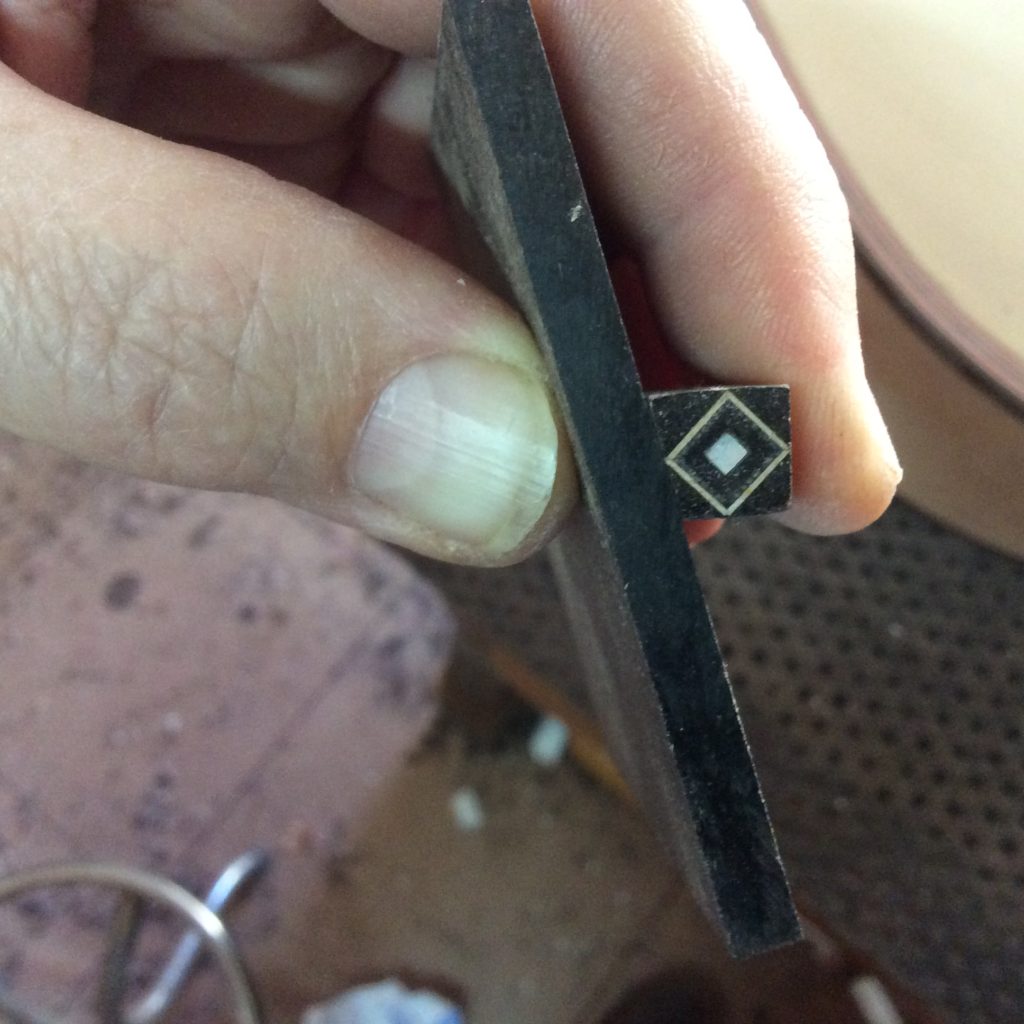
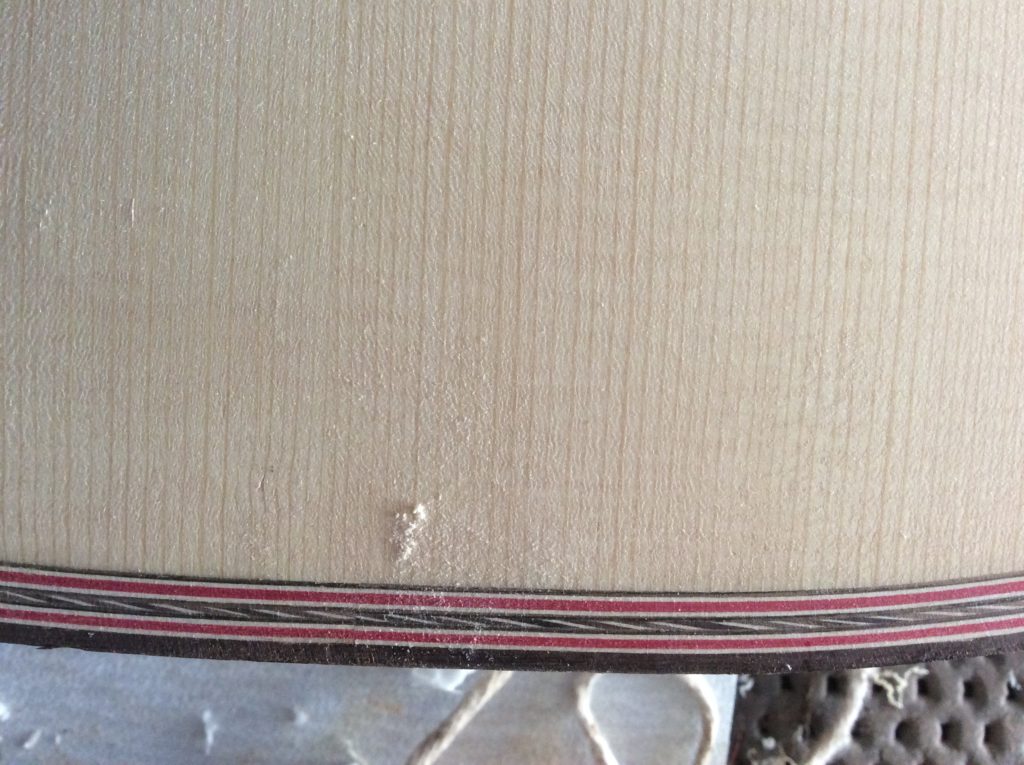
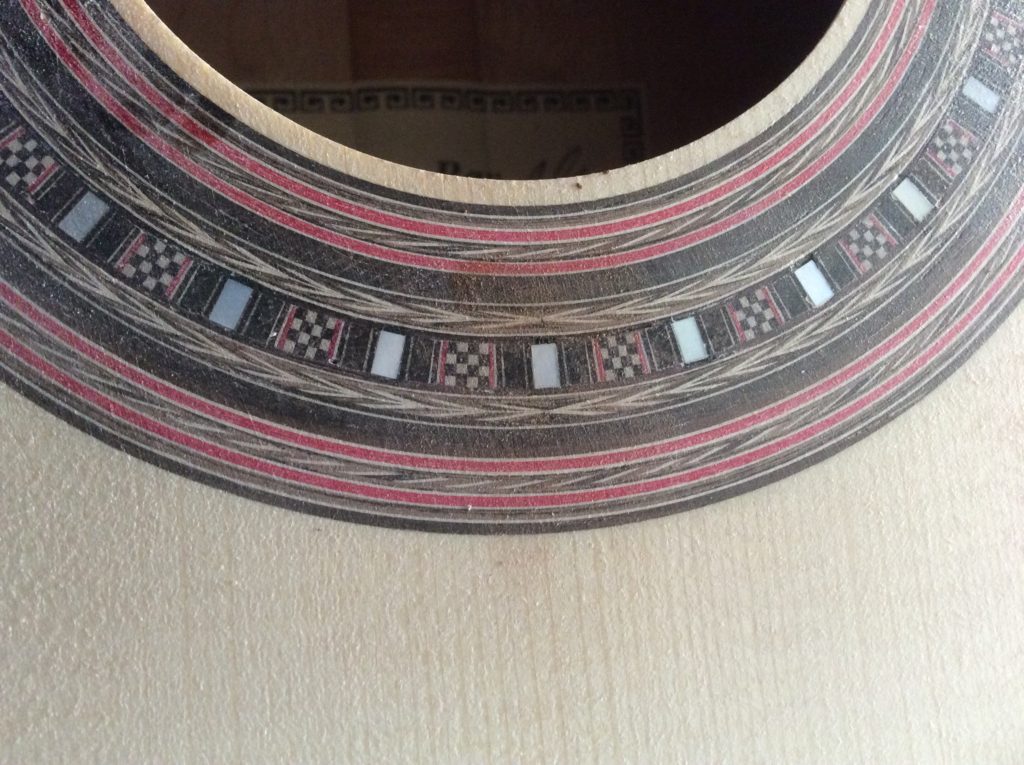
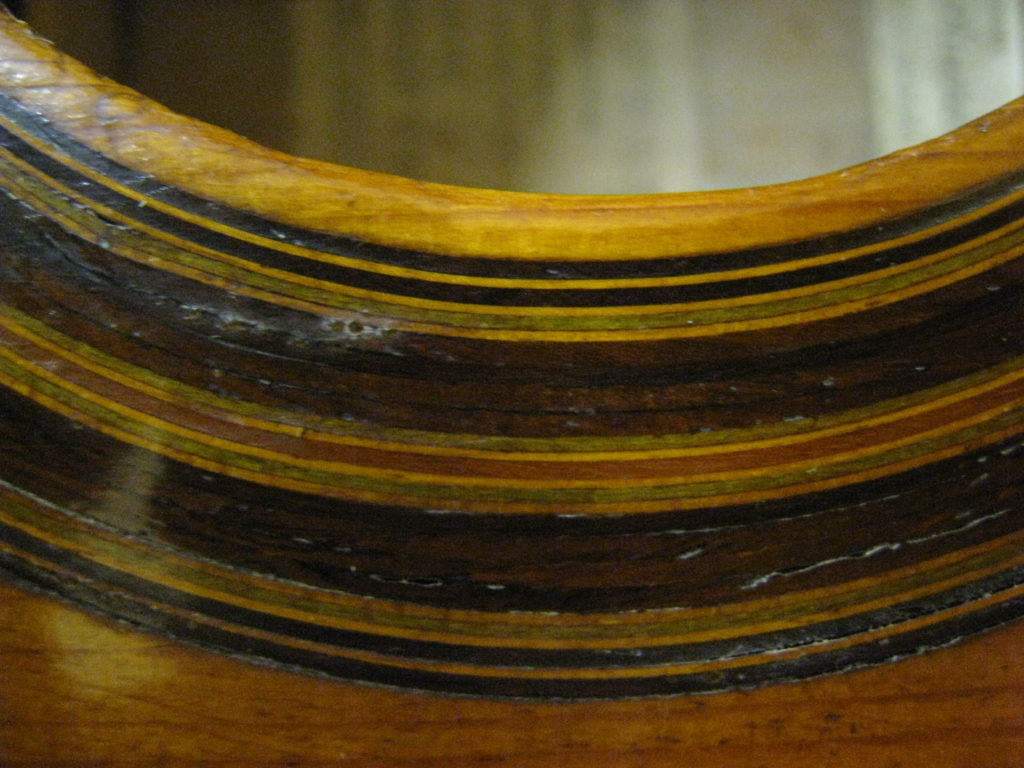
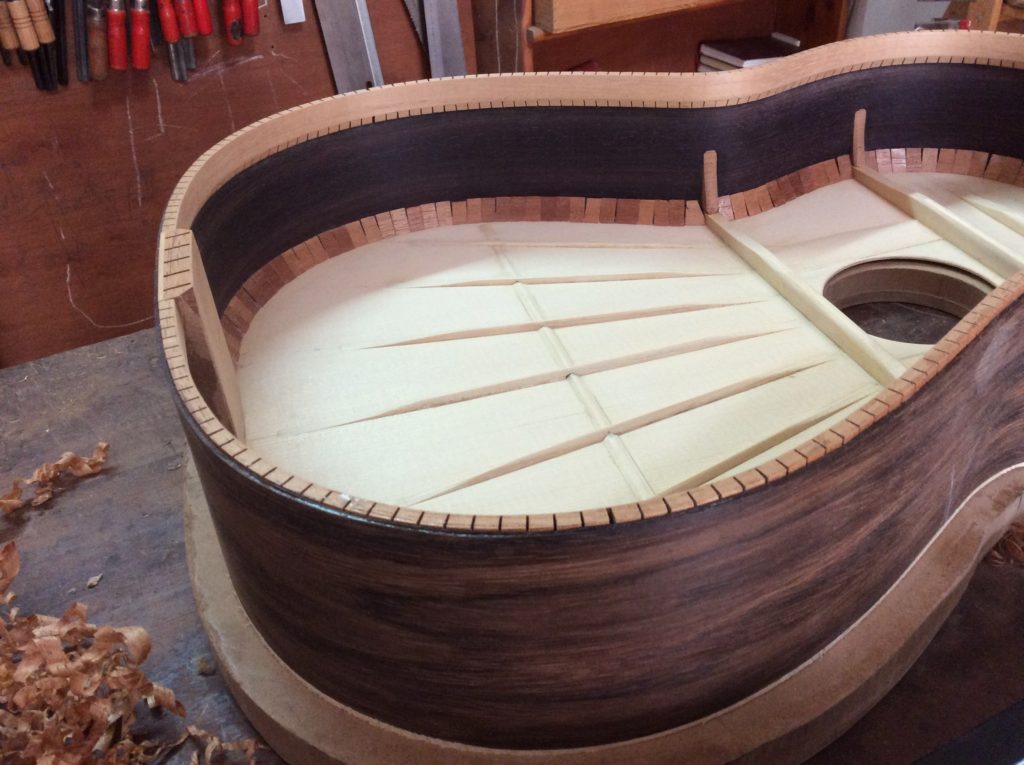
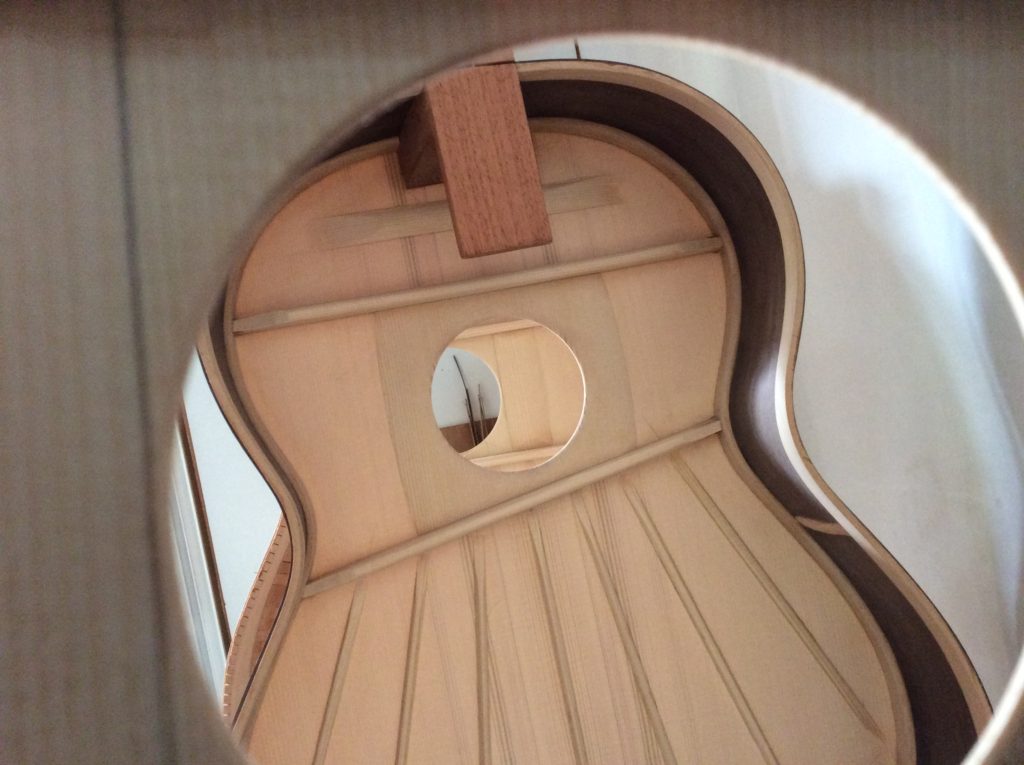
No videos or sound clips yet but I can tell you that this guitar breaks with what I usually do. The top and back linings are solid and not much wider than the purfling and the top is quite thin. In addition, the body is much deeper than my other guitars and all of this combines to create an instrument with a very low air resonance – below F. I also found the rosette particularily well-designed and showed it at different stages of completion in an earlier post. 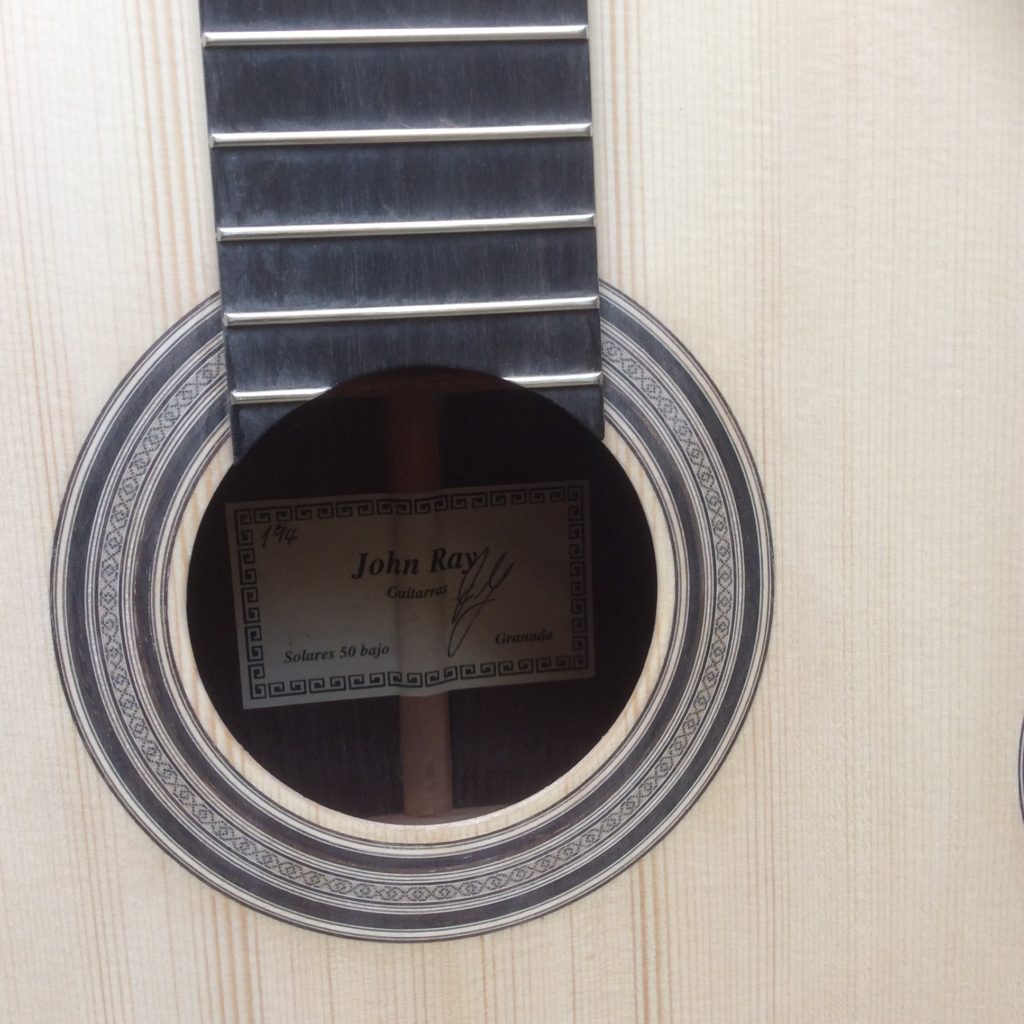
Until now all of the historic guitars that I have studied give the impression of having been built face down and the back being the last element of the box to get glued on. This one still has me stymied. Very little in the way of indications of what the order of assembly was. Richard Bruné states that Santos used three different methods, “peones” face down and glueing the back on last, linings top and back and the back on last but he also used linings with the back glued on first and the top last with some of his guitars. This is no surprise as he was also a violin-maker. The typical clues (tool marks and glue drips) were mostly inconclusive. I made this one face down but the next one might be different.
 Click
Click