
I’ve been wanting to get my hands on this book for some time now. The first edition, published in 1976 is one that very few have seen as only 500 copies were printed and each is numbered by hand by the author. For the second and third editions (almost identical) the information was expanded and I was told that some changes were made due to pressure from certain guitar-makers. Now I get to find out the truth. The real reason, however, for buying this book is to make sure that a copy gets into the museum of the guitar in Granada. The project is just getting started so it may be some time before you can come and visit and see guitars made by the historical greats, documents like this book and maybe even some of the old tools used by Eduardo Ferrer and Manuel de la Chica.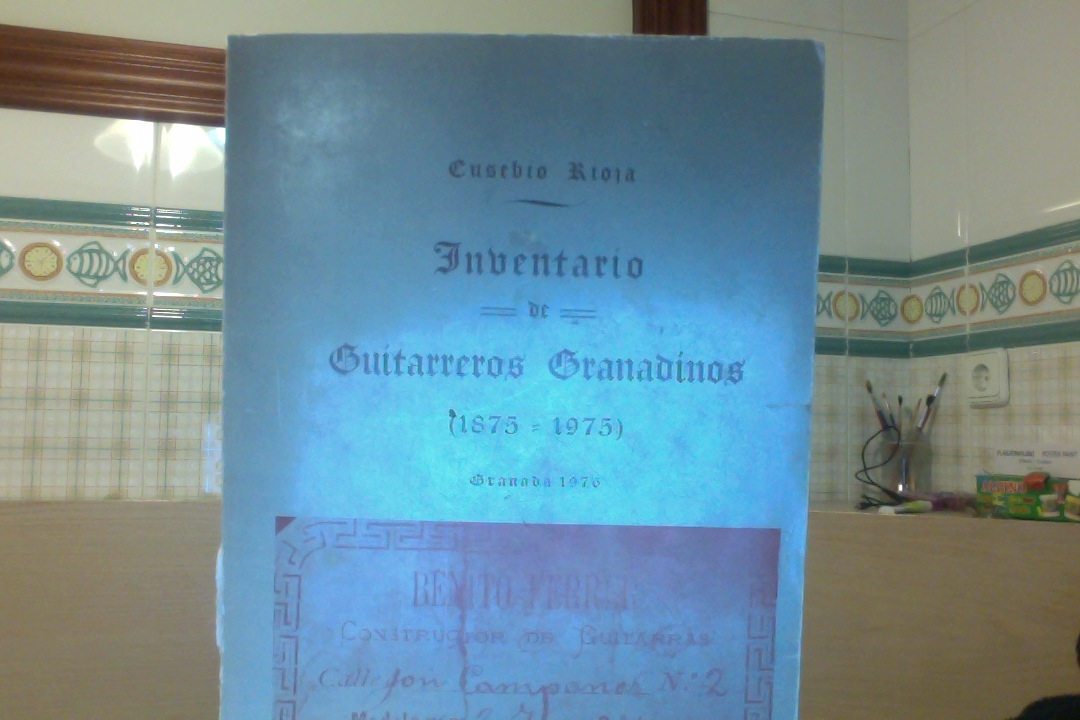
Author Archives: johnray
Los Angeles Classical Guitar
I have known of this place for some time now but I never knew that he carried so many books. What a selection! He has guitar books that are out of print and very hard to find. He even has a few copies of a wonderful book about the Granada makers 😉 signed by the members of the Marin family. 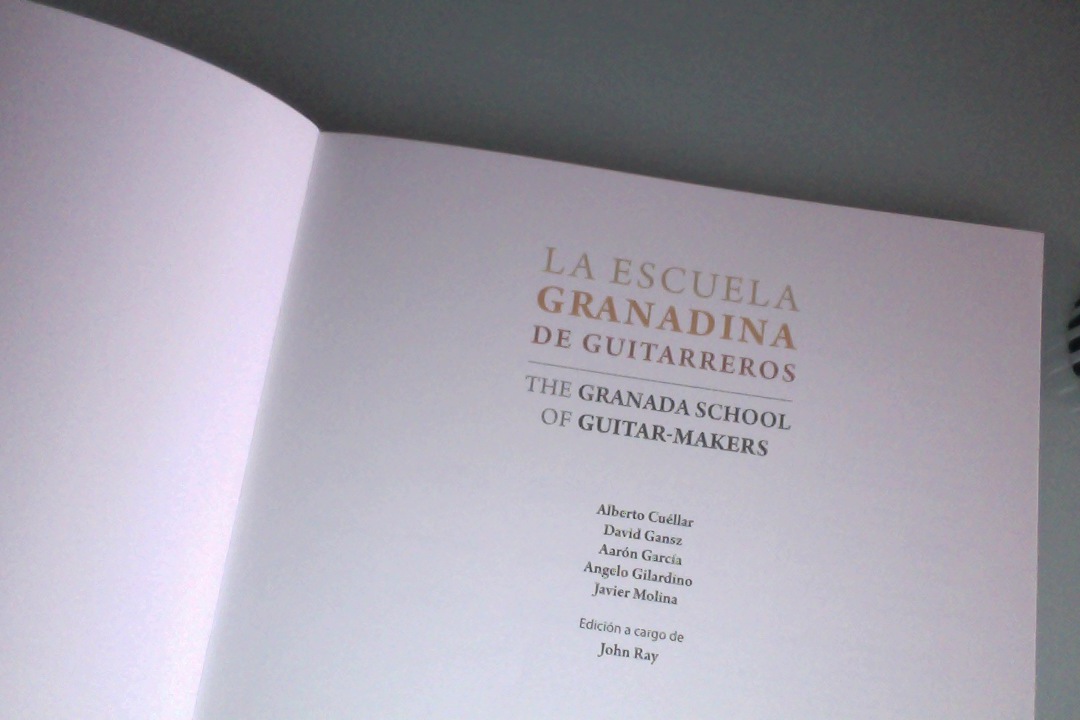
Books on guitar-making
I have always encouraged amateurs to get some training from a working professional if they are serious about this business; there is just so much to learn from the day-to-day and so many things you just don’t think to put in a book. 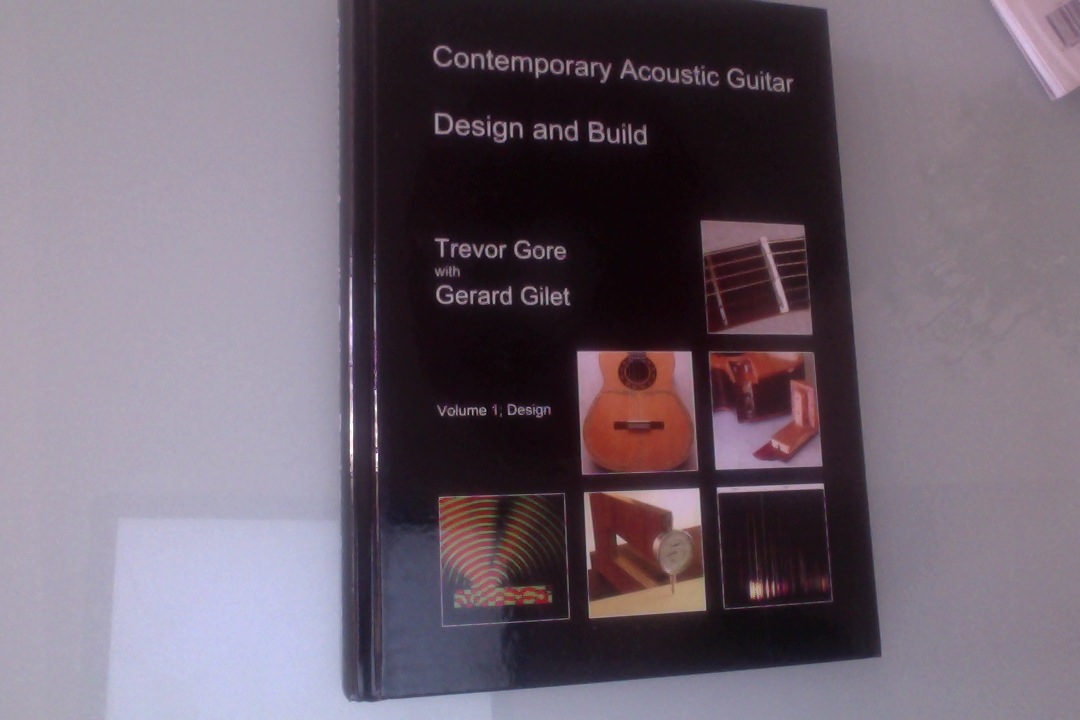 I recently bought this book and am looking forward to reading it (this is the first volume- Design) as it deals in the theory of making a great guitar. I am often dismissive of the worth of things like this but in this case I have seen that the author really has a lot to offer about how wood and sound work together. If something good comes out of reading it and using it then (just as with good tools) the price is well worth it. Find it here.
WoodMusICK at the Royal College of Music
Once again I was invited to participate in a WoodMusICK conference; this time on the question of the Effects of Playing on Early and Modern Musical Instruments. I am collaborating on a project headed by Dr. Marco Antonio Pérez (and involving the Museu de la Música) which we presented together. The idea of WoodMusICK is to bring together scientists, museums, builders and restoration experts in an attempt to work towards sharing knowledge and reaching some agreement about how we should treat wooden musical instruments. 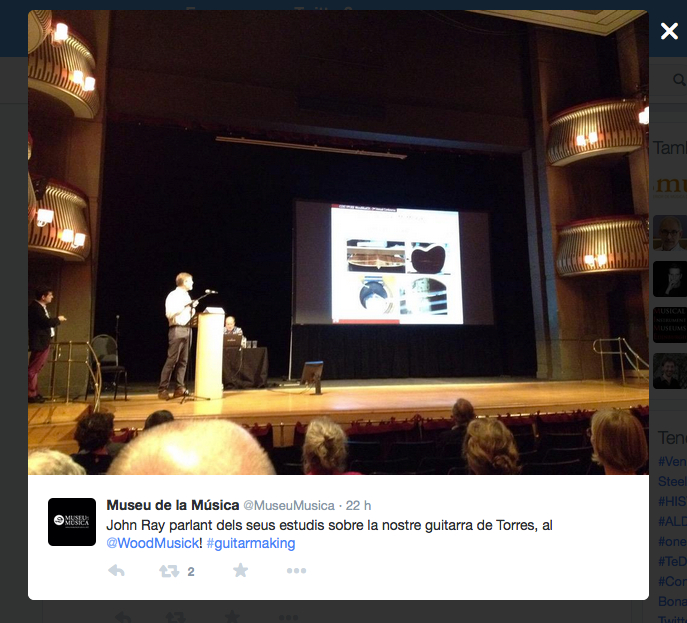 We also got to visit the collection at the RCM which has some extremely interesting pieces including what might be the oldest surviving stringed keyboard instrument (the clavicytherium) and what is argued to be the earliest guitar.
 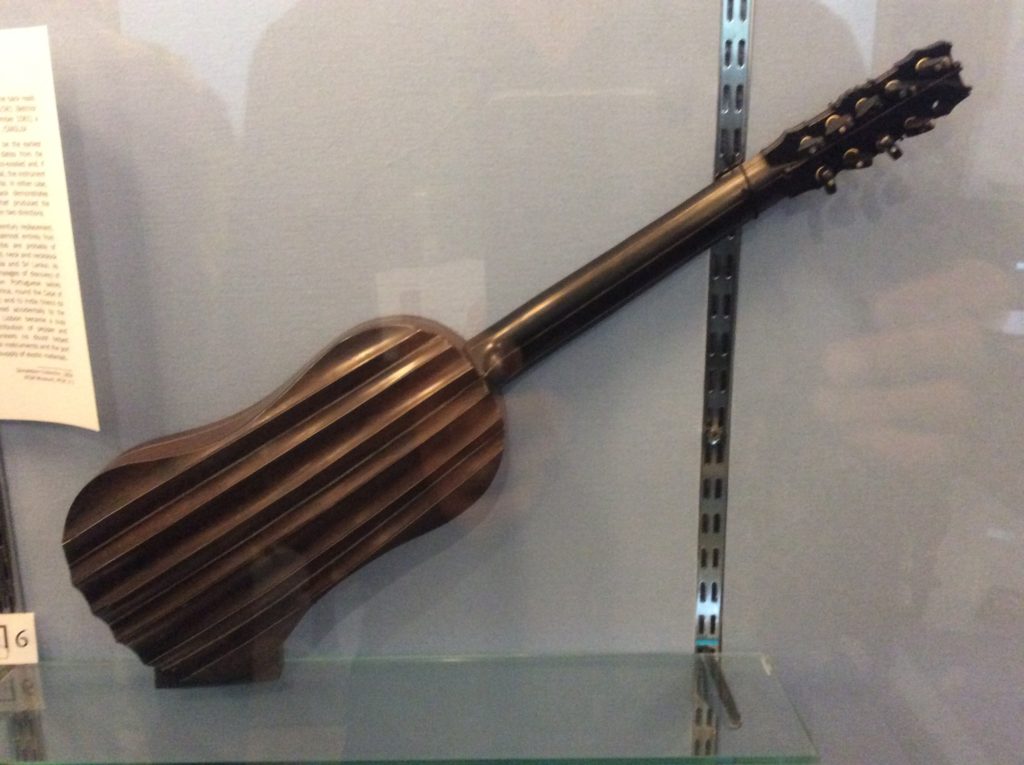 I have included the exhibition notes because I don’t know much about guitars from that period. If you click on the last photo you can probably read it. If you are interested and cannot read it I can send you the original.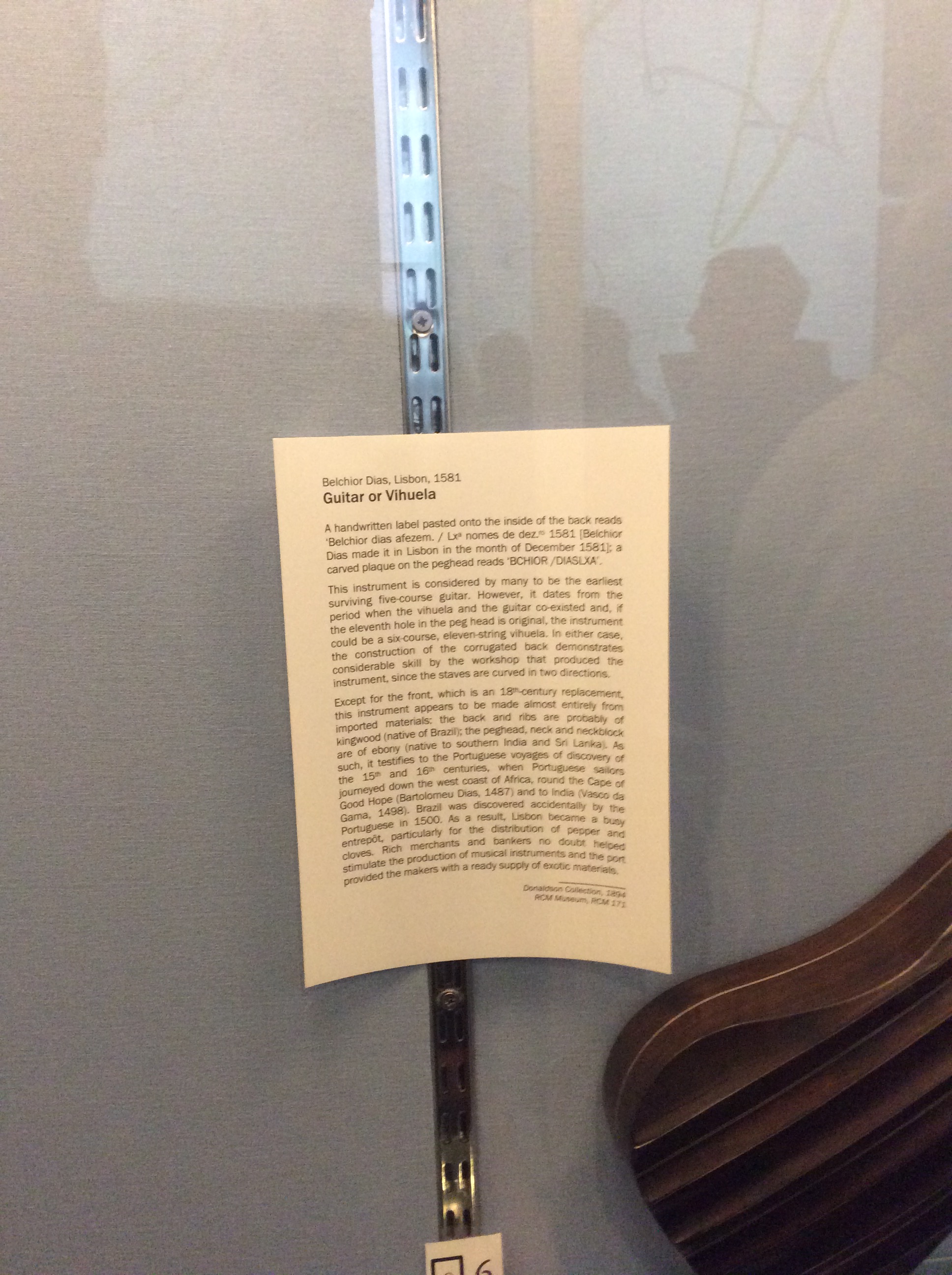
Musikinstrumenten-Museum Berlin
I just got back from Berlin, an incredible city no matter what your interests might be. Of course I visited the Museum of Musical Instruments and took a few pictures. I was very impressed with the museum; very large open spaces with room to see the instruments from all angles in their glass cases or in the case of the keyboard instruments in the open.
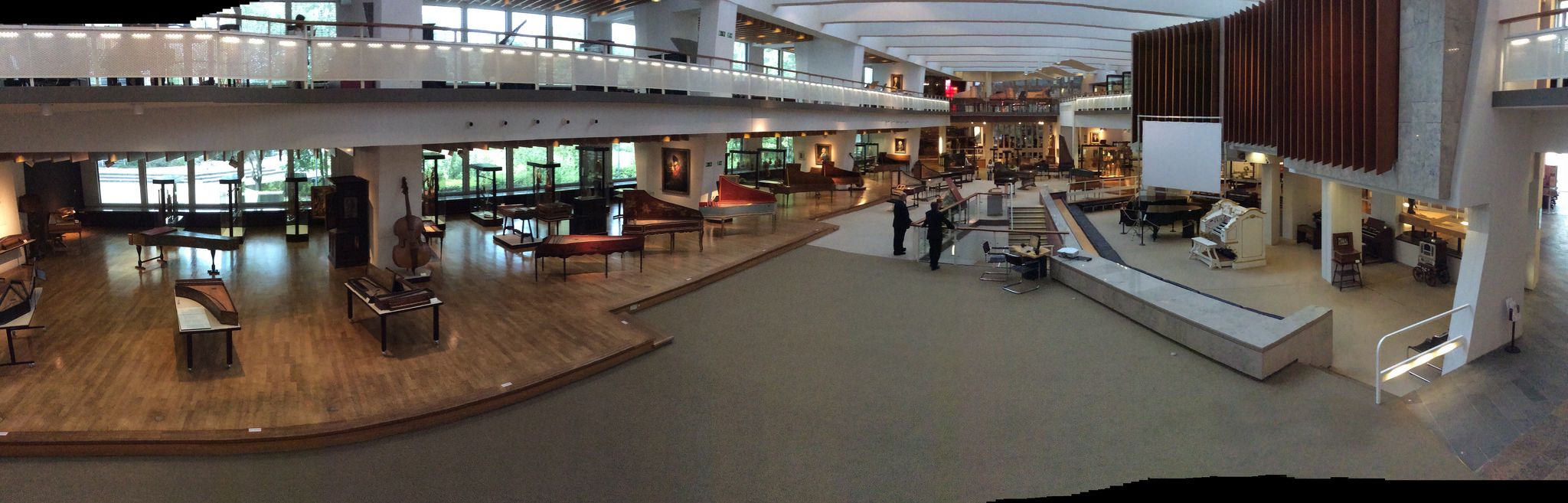 There are instruments by Steiner, Tielke, Gélas, Stauffer and other very relevant historic makers. The audio guide includes recordings from many of the instruments and from time to time concerts are offered on those instruments that can safely be played.
I have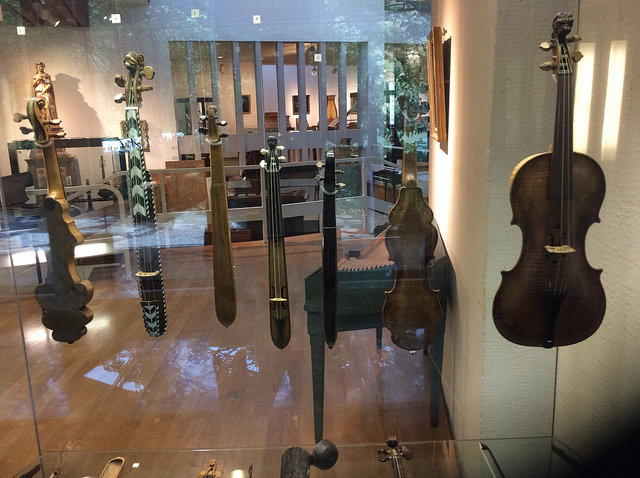 never been interested in making violins but if I make one someday it will be a kit or pochette. For some reason I find these fascinating and would enjoy the challenge of making one that would sound nice. The kit was used apparently by dance teachers to save cost, space and obviously wear and tear on a good violin they might have. We can imagine also that these might be used by musicians also to practice if noise were an issue. The word pochette and probably even kit come from the words for pocket where the violin was carried in the long pockets of the coats they wore back then. The one that looks like a normal violin actually has a very small chamber which you can see from the back and a full top and half sides. This kind of defeats the purpose of a kit but maybe the intentions were different.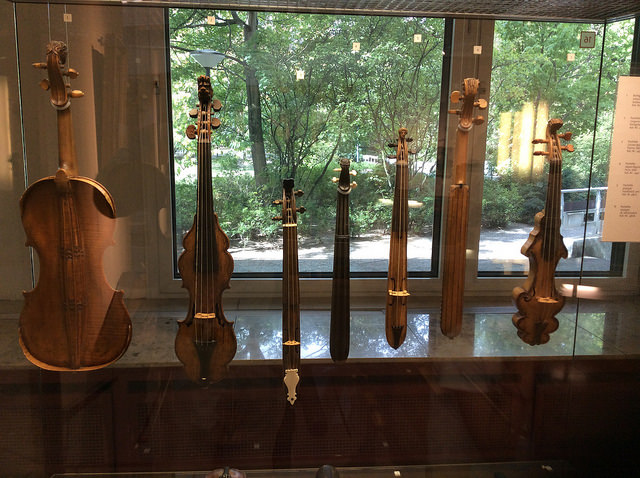
A few low-key 😉 exhibits appropriate for children and a decent meal for an excellent price in the cafeteria downstairs made this one of the highlights of our trip to Berlin.